Ear wax removal

Stephen Neal, specialist ear wax and micro suction technique. Based in Keynsham
Earol :http://www.lloydspharmacy.com/en/earol-olive-oil-spray

Stephen Neal, specialist ear wax and micro suction technique. Based in Keynsham
Earol :http://www.lloydspharmacy.com/en/earol-olive-oil-spray
The challenge of hearing clearly amidst background noise is a complaint hearing care professionals commonly encounter. Houston-based audiologist Jana Austin discusses how the Oticon Opn helped Bryan Caswell, a chef, manage the “tornado” of background noise coming at him from all directions in a busy restaurant environment. With its OpenSound Navigator and Spatial Sound LX working in tandem to identify sounds and manage noise, Caswell can hear a conversation from across the kitchen that he likens to a dart of sound that he’s catching. For Austin, the Opn reaffirms her ability to improve a patient’s quality of life.
During this procedure, the patient sits in a chair and the ear is rinsed with warm water from an electronic irrigator. The wax and water is collected in a basin or cup-shaped device which the patient holds under their ear.
Ear irrigation does make some noise but this is not excessive or uncomfortable. Most people who have irrigation find it to be a fairly pleasant procedure.
1. Micro Suction Wax Removal
2. Ear Irrigation using the Pro-pulse Irrigator
3. Removal of wax deposits using a Jobson Horn Probe
Mr Stephen Neal (RHAD FSHAA) has undertaken training and achieved competency in wax removal and will use best-practice procedures to minimise any risk of harm. However, as with any wax removal procedure even when performed with the upmost care, there is a small risk involved of damage to or infection of the skin of the ear canal or the ear-drum during the procedure.
Gene editing could someday help people at risk of hearing loss from genetic mutations, according to research by a new Rice University faculty member, the Texas-based university announced on its website.
Xue (Sherry) Gao, who joined Rice in the fall as the Ted N. Law Assistant Professor of Chemical and Biomolecular Engineering, is co-lead author of a new Nature paper that reports on the promise of gene editing to treat autosomal dominant hearing disease.

Xue (Sherry) Gao, Ted N. Law Assistant Professor of Chemical and Biomolecular Engineering, Rice University.
Gao performed the research while a postdoctoral associate under the guidance of David Liu at Harvard University. She said that while hearing diseases are typically not life-threatening, hearing loss is the most common human sensory impairment and has a substantial impact on individuals and society.
Many genetic mutations affect the sensory hair cells that amplify acoustic vibrations and translate them into electrical nerve signals. Gao said humans are born with about 12,000 hair cells that do not regenerate spontaneously if damaged. It has been reported that one in every 1,000 infants born in the United States has genetic mutations that contribute to deafness. Nevertheless, she said, few treatments are available to slow or reverse genetic deafness.
The researchers used rodent models of human genetic disease since a rodent cochlea—the organ in the inner ear that sends sounds to the brain—is strikingly similar to that of humans, Gao said. They focused on editing hair cells inside the cochlea, which they found suitable for the delivery of one-time, nonreplicable edits through Cas9/single-guide RNA. The RNA is a ribonucleotide (RNP) protein complex designed to specifically disrupt genes associated with hearing loss.
“Delivering the RNP complex instead of DNA into the cochleae showed significantly fewer off-target effects,” Gao said. This enabled the researchers to effectively disrupt one genomic site containing a single point mutation and avoid the billions of other sites available for modification.
Eight weeks after injecting the protein complex into the cochleae of rodents with progressive, genetic hearing loss, the researchers observed higher hair cell survival rates compared with those in a control group that did not receive the injection.
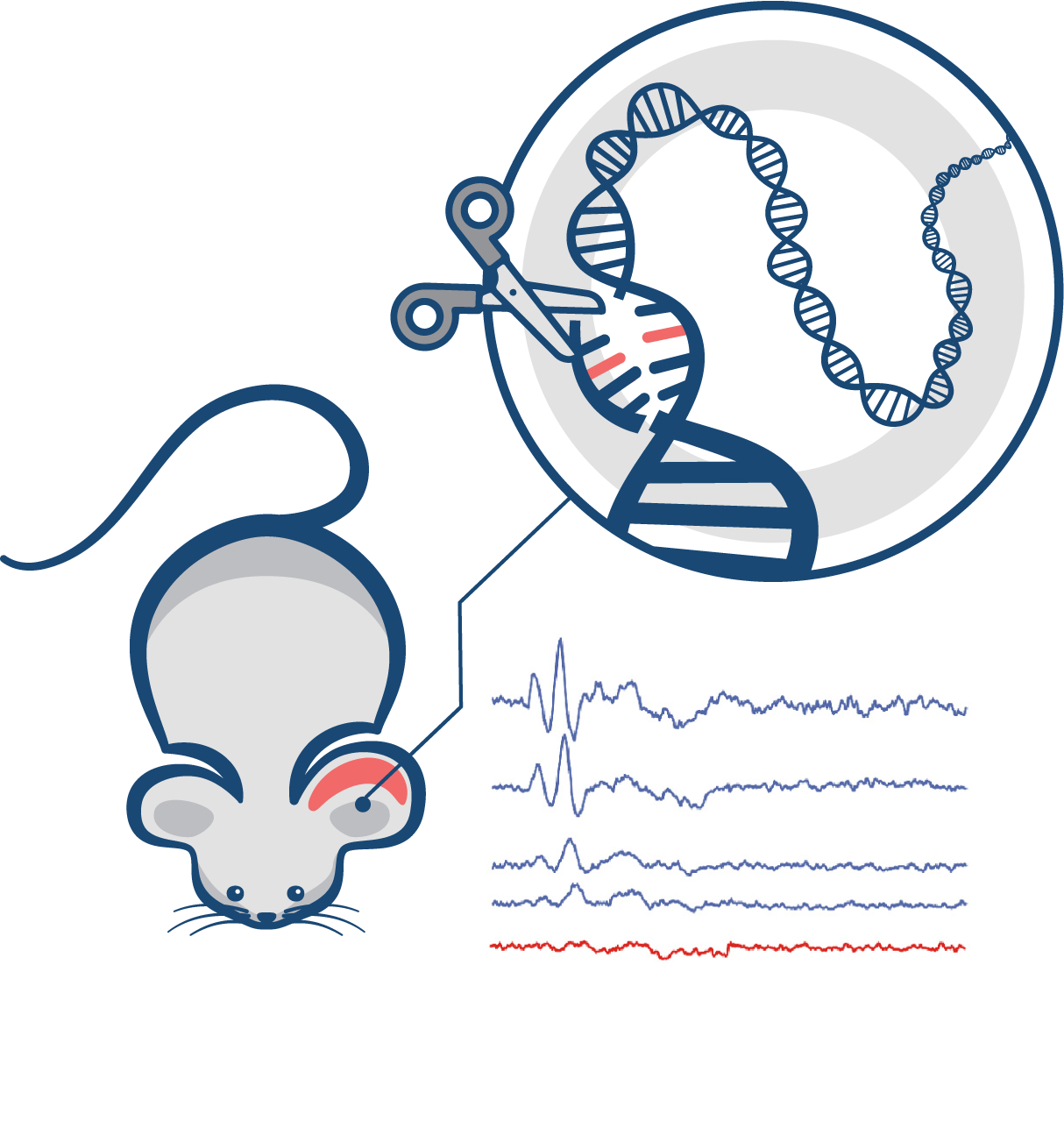
In a new “Nature” paper, a Rice University professor outlines a strategy that uses gene editing to slow the progression of a genetic hearing disease. Illustration by Xue (Sherry) Gao
Tests that measured brain waves in response to audio cues showed the treatment significantly preserves the animals’ hearing compared with the control group. The treatment also helped preserve the injected animals’ acoustic behavioral reflexes, according to the researchers.
“We believe this is a leading study on using CRISPR-Cas9 genome editing technology to treat genetic hearing diseases,” said Gao, whose lab is at Rice’s BioScience Research Collaborative. “We hope to develop more advanced genome-editing tools and test them on other animal species to demonstrate their safety and effectiveness as we move them toward humans.
“I’m definitely looking for collaborators at Rice, the Texas Medical Center, and in Houston who also are interested in developing genome-editing technology,” she said.
Gao’s primary collaborators on the Nature paper were co-lead author Yong Tao and Zheng-Yi Chen of the Massachusetts Eye and Ear Infirmary.
The Defense Advanced Research Projects Agency (DARPA) and the National Institutes of Health supported the research.
Original Paper: Gao X, Tao Y, Lamas V, et al. Treatment of autosomal dominant hearing loss by in vivo delivery of genome editing agents. Nature. December, 2017. doi:10.1038/nature25164
Source: Rice University, Nature
Images: Rice University, Xue (Sherry) Gao
As part of our ongoing commitment to provide our clients with the latest technology and the correct environment in which to conduct a hearing test, we have a purpose built test room.
Stephen Neal believes that it is essential for your hearing test to be conducted under optimum conditions to BSA standards to ensure that there are no distractions or disturbances likely to interfere with your test. This will result in the most accurate test results and ultimately help us to ensure you are fitted with the most suitable hearing instrument to meet your needs.
Our sound proof room allows us Keynsham Hearing Centreto achieve these conditions as it is purpose-built and sound proofed to the highest standard.
If you have answered ‘YES’ to any of the above, your hearing test results may not have been fully accurate.
Call today to arrange a hearing test in our Sound Proof room on – 0117 986 4242
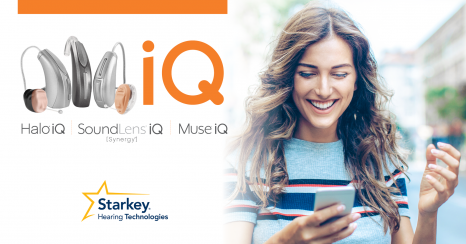
Starkey Hearing Technologies—an Eden Prairie, Minn-based hearing technology company—is launching a new line of hearing aids based on the company’s research in virtual reality, advanced neuroscience, and audiology and signal processing, Starkey announced. Designed to create an immersive hearing experience for patients, the iQ product lines include: Muse iQ, a complete line of 900sync™ technology, wireless hearing aids; SoundLens Synergy iQ, a new invisible-in-the-canal hearing aid; Halo iQ, smartphone-compatible hearing aids; and the brand-new TruLink Remote.

“As part of our commitment to lead the world in hearing innovation, we are excited to share the results of our collaboration with the world’s top researchers in today’s most advanced technologies,” Starkey Hearing Technologies President Brandon Sawalich said. “By working closely with leading researchers in the fields of neuroscience, virtual reality, and audiology and signal processing to integrate advancements into our award-winning products, we can now provide patients with new levels of presence, clarity, personalization, and other benefits previously unattainable with traditional hearing devices.”
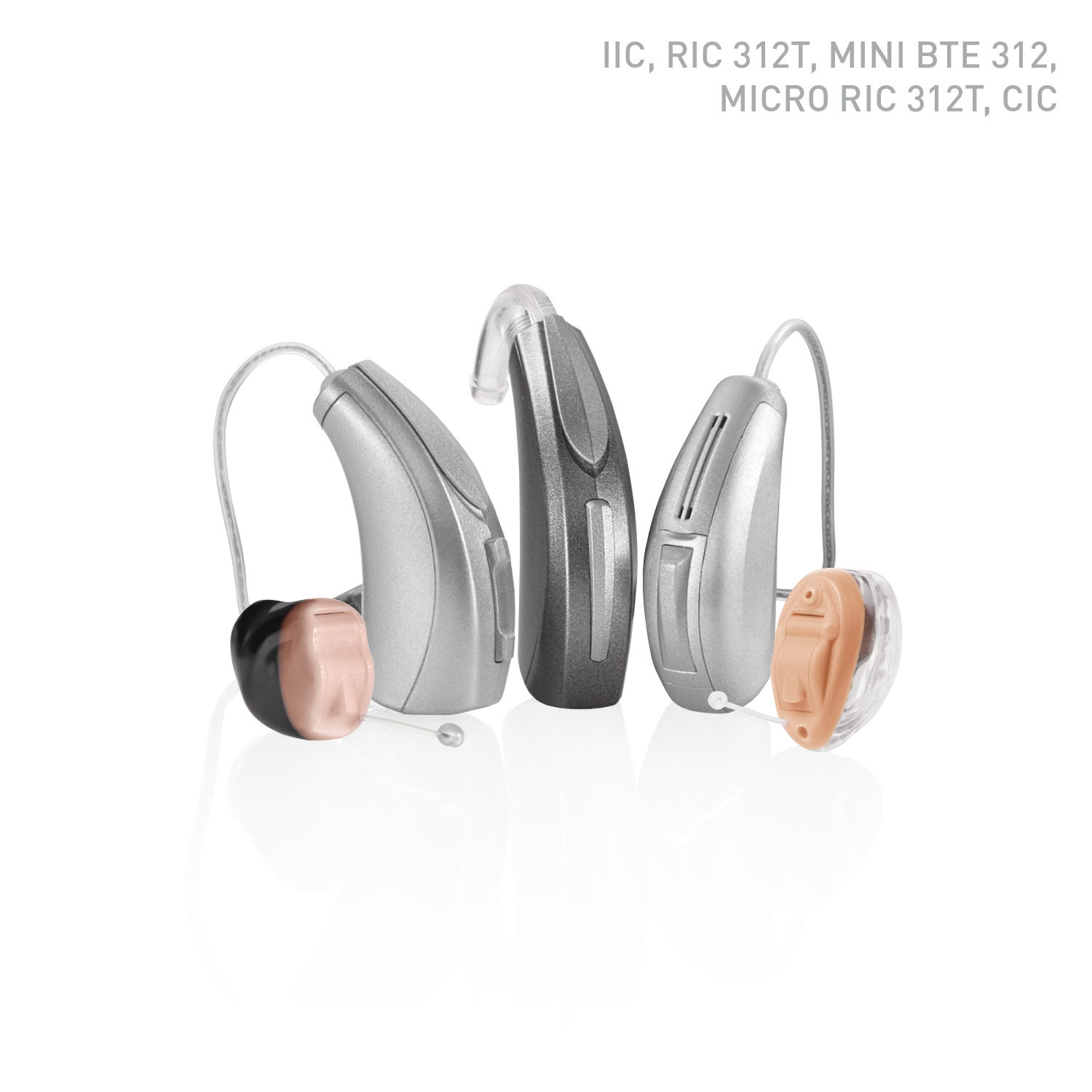
New Features with Acuity OS 2, Inspired by Virtual Reality Research
Built with Starkey Hearing Technologies’ proven Synergy platform and Acuity™ OS 2 operating system, the iQ technologies include a suite of new features that deliver the presence, clarity, and personalization patients have previously missed during the moments that matter most, the company said. Four of the most notable new features include:

“The iQ line represents a brand-new dimension in hearing technology research and innovation,” Starkey Hearing Technologies Chief Technology Officer and Executive Vice President of Engineering Achin Bhowmik said. “We anticipate that our new products will have a dramatic impact on our patients’ lives—and change the game in the global hearing aid industry.”
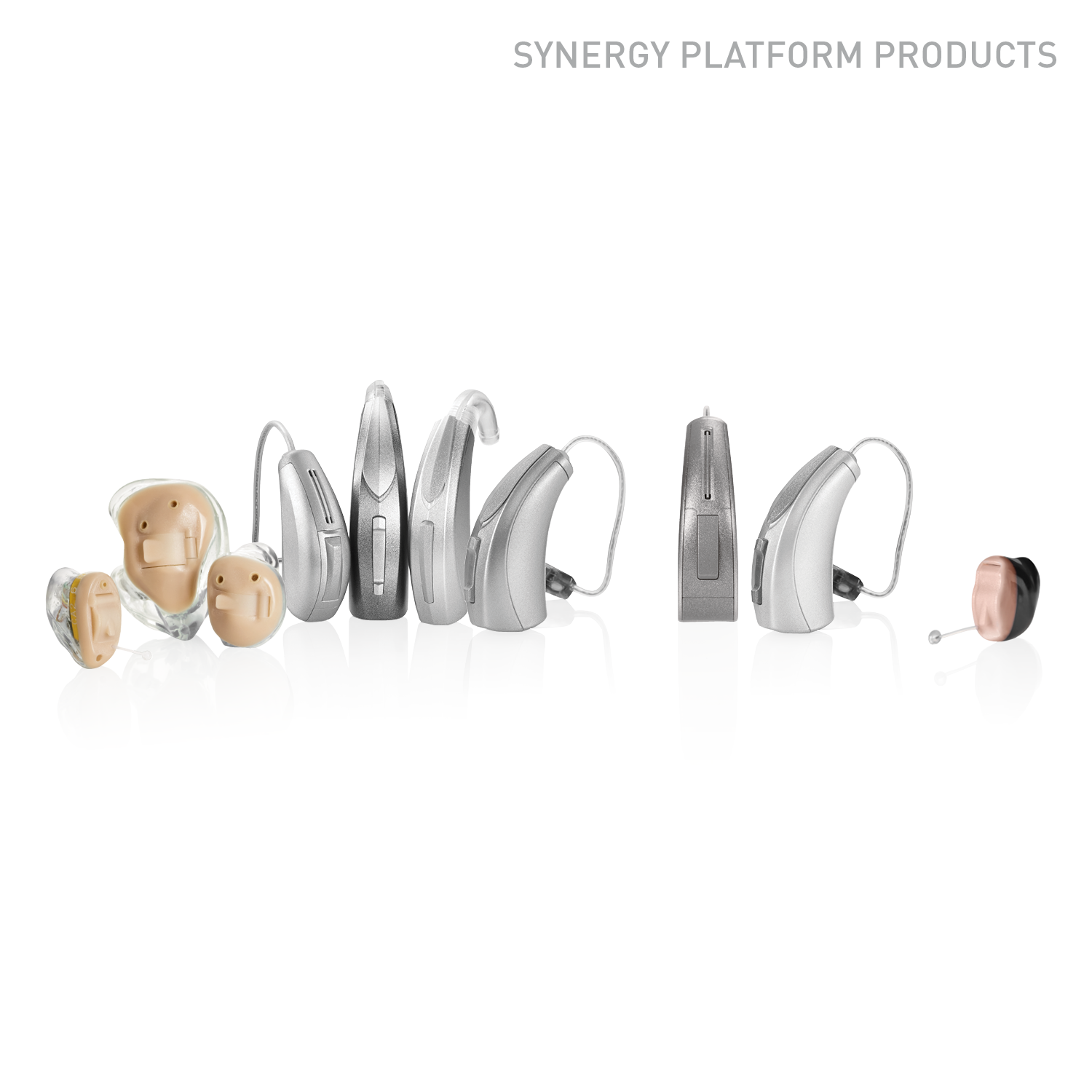
Muse iQ, Muse iQ CROS and SoundLens Synergy iQ
Designed to provide high-quality, natural sound in even the most challenging environments, Muse iQ and SoundLens Synergy iQ hearing aids offer audibility and streaming for individuals with single-sided hearing loss, said Starkey. All Muse iQ and SoundLens Synergy iQ devices work with SurfLink wireless accessories to provide ear-to-ear streaming of calls, music and media, remote hearing aid control, and a personalized hearing experience.

Muse iQ hearing aids are available in both custom and standard styles, and the Muse iQ micro RIC 312t is also available in a rechargeable option. Finally, Muse iQ CROS and BiCROS systems offer audibility and streaming for individuals with single-sided hearing loss.
SoundLens Synergy iQ hearing aids offer wearers an invisible, custom fit hearing solution featuring Starkey Hearing Technologies’ advanced technology and sound quality.
Halo iQ and the NEW TruLink Remote
Powered by Starkey Hearing Technologies’ TruLink 2.4 GHz wireless hearing technology, Halo iQ smartphone-compatible hearing aids enable connectivity with iPhone, iPad®, iPod touch®, Apple Watch®, and select Android™ devices.
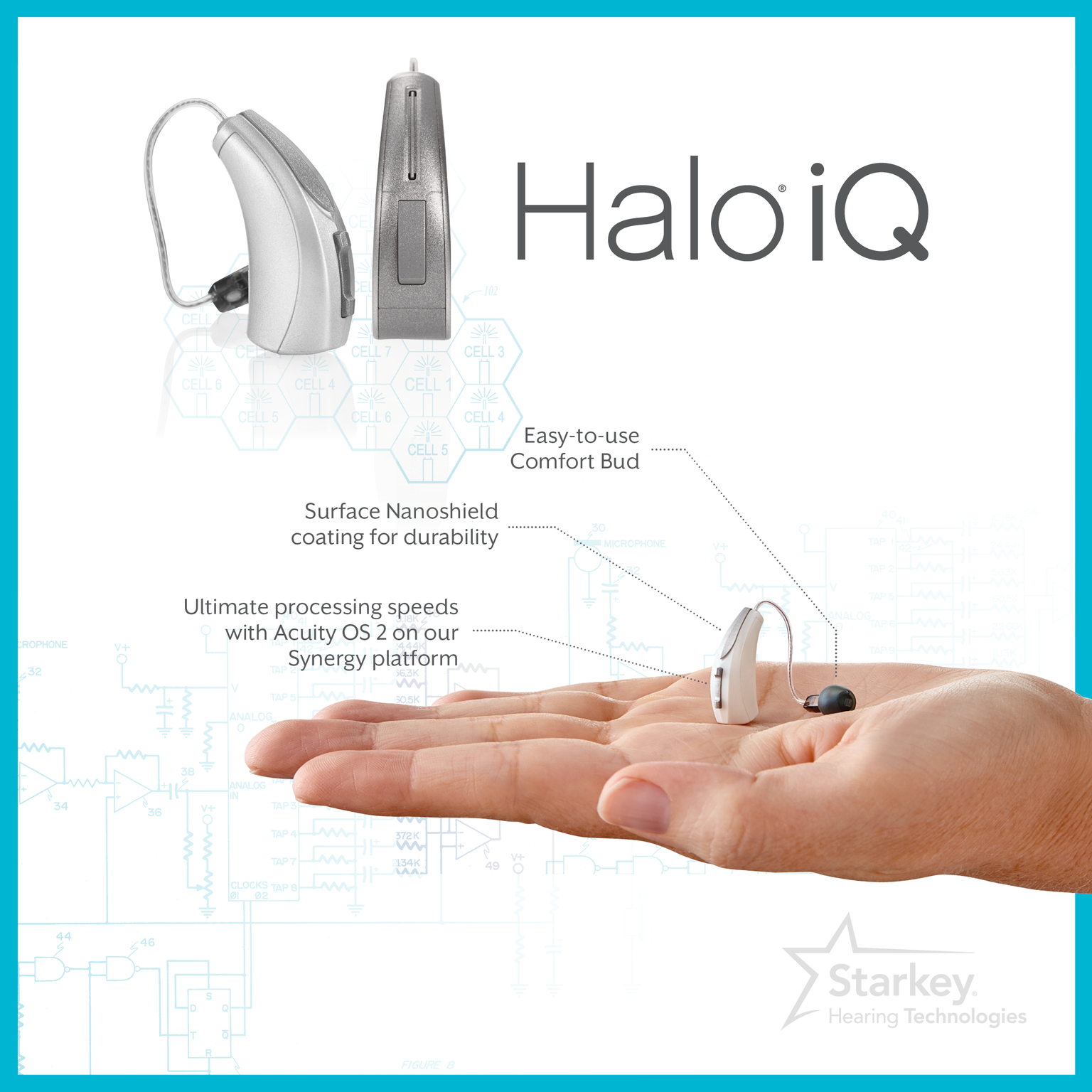
A brand-new wireless accessory, the TruLink Remote is compatible with Apple® or Android and works without a smartphone.
Source: Starkey Hearing Technologies
Images: Starkey Hearing Technologies


