Posts

Earwax removal, Wiltshire

Earwax removal, Wiltshire

If you are not as close to Keynsham as to Devizes we would recommend our sister company

Wiltshire ear clinic 

Stephen Neal the earwax removal expert covering Somerset and Wiltshire

If you are in need of earwax removal then look no further than Stephen Neal the earwax removal specialist. Based at his Keynsham practice he covers from Bath & Bristol, to further afield such as Chippenham, Corsham, Devizes and beyond. For the very latest gentle Microsuction technique to the traditional water irrigation, Stephen Neal can help you keep your ears clear from ear wax.  https://stephenneal.co.uk/microsuction-wax-removal/

Along with earwax removal Stephen Neal is a fully qualified top audiologist and dispenses the very latest digital hearing aids that will work with all types of mobile phones including the iPhone X.


Stephen Neal news update:


Researchers Identify New Type of Vertigo, According to Study Published in ‘Neurology’

Published on 

http://www.dreamstime.com/royalty-free-stock-photos-headshot-senior-man-vertigo-suffering-dizziness-elderly-male-patient-isolated-light-blue-background-image52676798

Neurologists have identified a new type of vertigo with no known cause, according to a study published in the May 23, 2018 online issue of Neurology, the medical journal of the American Academy of Neurology(AAN), the AAN announced on its website.

With vertigo, people have episodes of dizziness that can last from minutes to days. Vertigo can be caused by serious conditions, such as tumors, or conditions that are fairly benign, such the inner ear disorder Meniere’s disease. But for some people, no cause can be found.

In this new study, neurologists have identified a new type of vertigo where treatment may be effective.

“These conditions can be difficult to diagnose and quite debilitating for people, so it’s exciting to be able to discover this new diagnosis of a condition that may respond to treatment,” said study author Ji-Soo Kim, MD, PhD, of Seoul National University in Seongnam, South Korea.

To diagnose this new condition, the person sits in a dark room and the examiner moves the patient’s head forward and then the head is shaken horizontally for about 15 seconds. Then the patient opens his or her eyes and a video recording is taken of eye movements. The neurologists discovered that after the test, people with this new condition had eye movements called nystagmus that lasted longer than for other people. The new condition is called recurrent spontaneous vertigo with head-shaking nystagmus.

Among 338 people with vertigo with no known cause, 35 had this new condition and were included in the study. The participants had attacks of vertigo ranging from two or three times a week to once a year. They also experienced nausea or vomiting, headaches, and intolerance of head motions during the attacks.

The participants were compared to 35 people with other conditions that can cause vertigo, such Meniere’s disease, vestibular migraine, and vestibular neuritis. The test measured the time constant, or the time that represents the speed with which the reflexive eye movements can respond to change. For those with the new condition, the time constant during the primary phase of the nystagmus was 12 seconds, while it was six seconds for those with Meniere’s disease and five seconds for those with vestibular neuritis and vestibular migraine.

The neurologists also found that people with the new type of vertigo were more likely to have severe motion sickness than those with other types of vertigo.

A total of 20 of the 35 people with the new type of vertigo who had frequent attacks and severe symptoms were given preventive medication. About one-third of those had partial or complete recovery with the new medication. During the long-term follow-up of an average of 12 years after the first symptoms for 31 participants, five reported no more attacks, 14 said their symptoms had improved, and only one said symptoms had gotten worse.

Kim said that people with this condition may have a hyperactive mechanism in their vestibular system that helps the brain respond to movement of the body and in the environment.

“It’s possible that the vertigo occurs when this unstable mechanism is disrupted by factors either within the person’s body or in their environment,” Kim said.

The study was supported by the National Research Foundation of Korea. Learn more about the brain at www.BrainandLife.org, the American Academy of Neurology’s free patient and caregiver magazine and website focused on the intersection of neurologic disease and brain health. Follow Brain & Life on FacebookTwitter, and Instagram.

The American Academy of Neurology is said to be the world’s largest association of neurologists and neuroscience professionals, with 34,000 members. The AAN is dedicated to promoting the highest quality patient-centered neurologic care. A neurologist is a doctor with specialized training in diagnosing, treating and managing disorders of the brain and nervous system such as Alzheimer’s disease, stroke, migraine, multiple sclerosis, concussion, Parkinson’s disease, and epilepsy.

For more information about the American Academy of Neurology, visit AAN.com or find us on FacebookTwitterLinkedIn, and YouTube.

Original Paper: Lee S-U, Jeong-Yoon C, Hyo-Jung K, Ji-Soo, K. Recurrent spontaneous vertigo with interictal headshaking nystagmus. Neurology. 2018. Available at: http://n.neurology.org/content/early/2018/05/23/WNL.0000000000005689

Source: AAN, Neurology 


Best earwax removal in Somerset

Best earwax removal in Somerset

Stephen Neal the premier earwax removal specialist in Somerset.


CNN’ Profiles Inventor of HearGlass

Stephen Neal News:

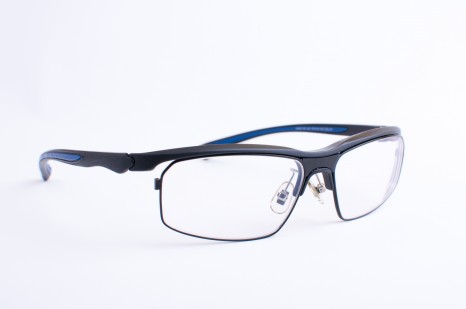
http://www.dreamstime.com/stock-image-eyeglass-isolated-background-studio-image61335201

Peter Sprague, the 78-year-old inventor of HearGlass—a technology that incorporates amplification into eyeglass frames—is featured in a recent CNN profile. 

According to the article, Sprague was frustrated by how standard hearing aids “distorted audio” and has incorporated directional microphones, Bluetooth and WiFi capabilities, and a discreet design into his fourth-generation prototype.

Stephen Neal offers out of ours earwax removal appointments https://stephenneal.co.uk/microsuction-wax-removal/

Marshall Chasin, a frequent contributor to Hearing Review, was quoted in the article about the ways hearing aid manufacturers have improved their devices to help provide users with more dynamic sound options.

To read the article in its entirety, visit the CNN website here.

Source: CNN


Earwax removal Corsham Wiltshire

Children with Hearing Loss May Experience Higher Rate of Bullying

Stephen Neal-Earwax removal, Corsham, Wiltshire

If you are not as close to Keynsham as to Devizes we would recommend our sister company

Wiltshire ear clinic 

balance issues in children

New UT Dallas research indicates that children and adolescents with hearing loss experience higher rates of peer victimization, or bullying, than children with typical hearing, UT Dallas announced in a press release on its website.

In the study, approximately 50% of the adolescents with hearing loss said they were picked on in at least one way in the past year. Previous studies show about 28% of adolescents in the general population report being bullied.

“I thought more children and adolescents with hearing loss would report getting picked on, but I did not expect the rates to be twice as high as the general population,” said Dr Andrea Warner-Czyz, an assistant professor in the School of Behavioral and Brain Sciences and a researcher at the Callier Center for Communication Disorders.

Dr Andrea Warner-Czyz

Dr Andrea Warner-Czyz

The study, which appears in the journal Exceptional Children, showed the type of bullying experienced by youth and adolescents with hearing loss mimics patterns in children with other special needs, with significantly higher rates of social exclusion.

More than one-fourth of adolescents with hearing loss indicated they felt left out of social activities, compared to only 5% of the general population reporting exclusion. These findings parallel published reports of fewer invitations to social events, lower quantity and quality of friendships, and higher loneliness in children and adolescents with hearing loss.

Researchers conducted an online survey of 87 children and adolescents ages 7 to 18 who wear cochlear implants or hearing aids for hearing loss. If they indicated they were picked on at all, the survey automatically generated follow-up questions on how often it occurred and why they thought they were targeted.

Approximately 45% said they did not know why, 20% said it was because of their hearing loss or cochlear implant, and 20% said it was because of how they looked or how they acted.

Based on information provided by parents and from other studies, Warner-Czyz said the problems with peers might reflect communication difficulties related to auditory skills.

“Sometimes they miss puns or a play on words, or other cues that have to do with humor. Or when something is said very quietly or in a noisy location, the student with hearing loss might miss it. And that can make them feel like an outcast, or it can make them look like an outcast,” she said.

“Friendships are important to most young people, but I believe are especially important for children with hearing loss.”
said Warner-Czyz. Alternatively, she said peer problems might indicate a broader issue of not recognizing social cues from conversation or distinguishing true friendship from acquaintances.

Researchers have previously said having at least one good friend is a protective factor against bullying. Most children in this study cited several or lots of friends, but anecdotal reports from parents and clinicians questioned the veracity of these friendships.

“Friendships are important to most young people, but I believe they are especially important for children with hearing loss,” said Warner-Czyz. “Anything parents can do to facilitate social interaction and friendship and letting them learn how to be a friend and who is a friend is critical.”

She said future research will delve more deeply into the reasons behind differences in friendship quality and peer victimization in children and adolescents with hearing loss to guide evidence-based, targeted therapeutic intervention and potentially contribute to effective anti-bullying programs geared toward children with special needs. She said these factors might go beyond individual youth characteristics to include a microsystem of school and home settings.

The research is part of a larger study exploring the quality of life in children and adolescents with cochlear implants.

Original Paper: Warner-Czyz AD, Loy B, Pourchot H, White T, Cokely E. Effect of hearing loss on peer victimization in school-age children. Exceptional Children. 2018;84(3):280-297.

Source: UT Dallas, Exceptional Children

Image: UT Dallas

www.ear-wax-removal.co.uk

Radstock earwax removal

Oticon ConnectClip Wins 2018 Red Dot Award for Product Design

Radstock Somerset earwax removal service.

Red Dot logo 2018

Oticon ConnectClip has earned a 2018 Red Dot Award for product design, the Denmark-based hearing aid manufacturer announced. A panel of international jurors recognized ConnectClip for what was said to be “outstanding design aesthetics” that incorporated a variety of technical, performance, and functionality innovations. The intermediary device is the newest addition to the Oticon connectivity devices designed to improve Oticon Opn™users’ listening and communication experiences.  ConnectClip will be among the award-winning designs exhibited at Red Dot Design Museums around the world.

Oticon Logo

Commenting on the award win, Gary Rosenblum, president, Oticon, Inc said, “Oticon is honored to receive another prestigious Red Dot Award, this year for our new ConnectClip. This internationally recognized symbol of excellence is a testament not only to ConnectClip’s convenient, lifestyle-enhancing features, but also to the work that goes into the design and continued evolution of our Oticon Opn hearing aid, a 2017 Red Dot Award winner.”

The multi-functional ConnectClip is designed to turn Oticon Opn hearing aids into a high-quality wireless headset for clear, hands-free calls from mobile phones, including iPhone® and Android™ smartphones. Sound from the mobile phones is streamed directly to the hearing aids and ConnectClip’s directional microphones pick up the wearer’s voice. ConnectClip serves double duty as a remote/partner microphone, helping to provide improved intelligibility of the speaker wearing it, either at a distance (up to 65 feet), in very noisy environments or in a combination of the two. Opn wearers can also use ConnectClip as a remote control for their hearing aids.

Wearable Technology Award Win

Oticon also celebrates a win at the UK’s Wearable Technology and Digital Health Show Awards. Oticon Opn received the  Innovation Award for wearable originality and advancement. The win reflects votes by a combined method of professional jury and public website vote.

Organizers at the Wearable Technology and Digital Health Show Awards commented on the win: ”The judges felt that the Oticon solution presented a revolutionary approach to hearing loss, and that its technology presented a real opportunity for users to interact with the growing number of smart devices in the home. A worthy winner.”

Learn more about the expanded Oticon Opn family, ConnectClip and entire range of wireless connectivity accessories at www.Oticon.com/Connectivity.

 * Apple, the Apple logo, iPhone, iPad, iPod touch, and Apple Watch are trademarks of Apple Inc., registered in the U.S. and other countries. App Store is a service mark of Apple Inc. Android, Google Play, and the Google Play logo are trademarks of Google Inc.

Source: Oticon

Images: Oticon, Red Dot