Posts

Cheapest ear wax removal Somerset?


Cheapest ear wax removal Somerset?


Cheapest ear wax removal Somerset by Stephen Neal ear wax removal specialist. Based at the Keynsham hearing centre situated between Bath and Bristol.  The very latest digital hearing aids are availabe now along with the state of the art hearing tests at the small family owned independent hearing service for the Somerset area and beyond.  Stephen Neal is a hearing wax removal expert and uses Microsuction and the traditional water irrigating technique. Out of hours appointments are aways available, please call Anita on reception to book your out of hours appointment.

Click here to watch our earwax removal video: 

Keynsham hearing news:

Starkey Releases World’s First Hearing Aid with Fall Detection and Alerts to Livio AI Users

Published on December 18, 2018
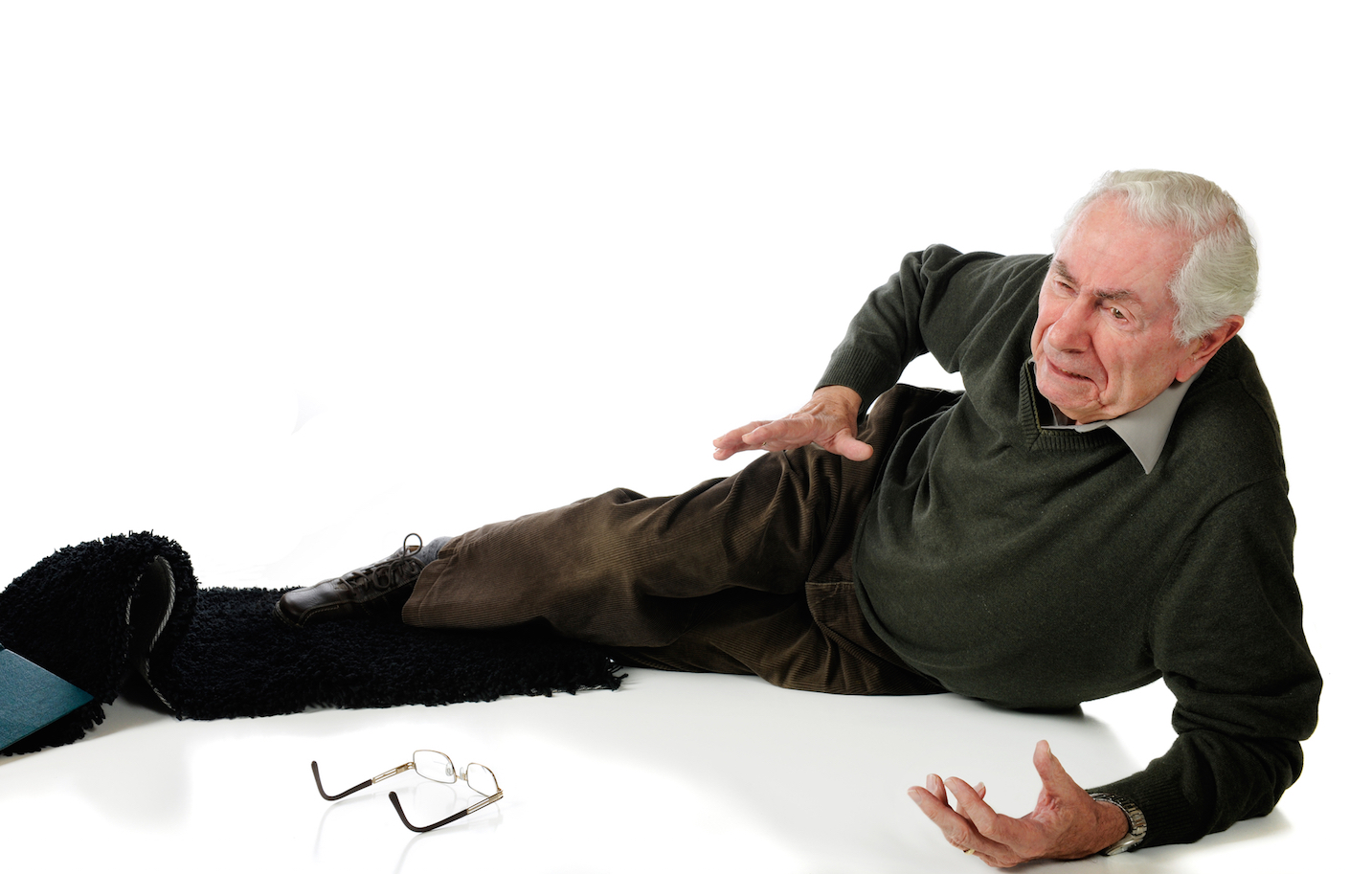
balance problems increase risk for fallsStarkey Hearing Technologies, Eden Prairie, Minn, has released its new Fall Detection and Alert feature in Livio AI hearing aids to a limited number of hearing professionals, and plans to offer the feature to all dispensing professionals and their clients in late February, according to CTO Achin Bhowmik, PhD, in an interview with Hearing Review on Tuesday, December 18. Using integrated sensors, the Fall Detection and Alert feature is designed to automatically detect falls and send messages to as many as three contacts.

Fall detection sensors are currently implemented in all Livio AI devices as part of its standard hardware platform, and Starkey has been working on the Fall Alert feature to maximize its utility for end users prior to the system’s widespread implementation.

Falls are a massive public health problem, particularly for older adults. It’s estimated that injuries due to falls will account for $67.7 billion in public health spending by 2020, and according to the National Council on the Aging (NCOA) falls are currently responsible for an older adult being admitted to a US emergency room every 11 seconds. Additionally, people with hearing loss are particularly susceptible to falls. A Johns Hopkins study suggests that having hearing loss triples the risk of falls for people age 40 and older—and the findings hold up regardless of whether their hearing loss is moderate or severe.
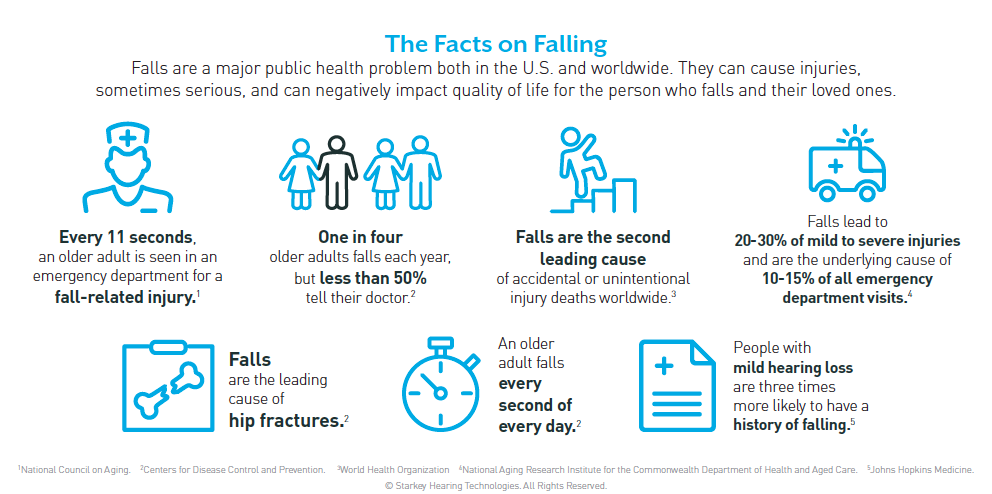
StarkeyFallsInfoGraphic

How Starkey Fall Detection and Alerts work. Starkey’s new Fall Detection system is said to have several benefits over existing stand-alone medical alert systems, which are typically attached to a lanyard around the neck. “The first key advantage is that a hearing aid is almost always in your ear during your active hours, making for one less thing to carry or remember. One of the major problems with medical alert systems is getting people to wear them,” says Bhowmik. “Second, we have two fall detection sensors [in binaural fittings] for the right side and the left side, whereas most fall detection systems have only one. And the way the two sensors are spaced apart and the way in which you hold your head, we can get better and more accurate results than neck-worn sensors designed to detect falls.”

Bath Hearing Centre
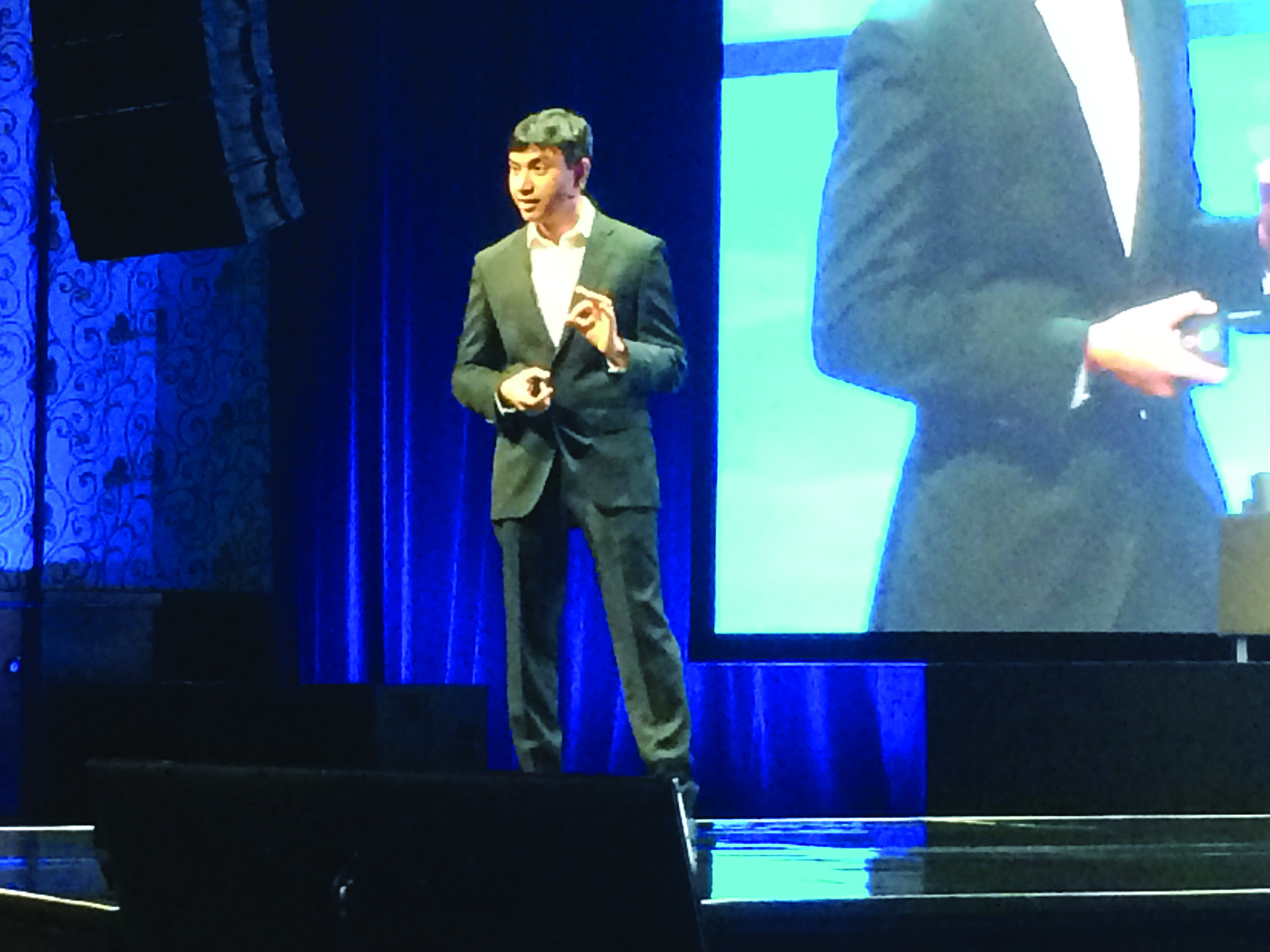
Starkey CTO Achin Bhowmik spoke about the possibility of fall detection and other sensor-based capabilities at the 2018 Starkey Expo held in January.

Starkey CTO Achin Bhowmik spoke about the possibility of fall detection and other sensor-based capabilities at the 2018 Starkey Expo held in January.

According to Bhowmik, part of Starkey’s recent research has revolved around what constitutes an actual fall as opposed false-positives such as quick downward movements or even accidentally dropping the hearing aid. “If you take the hearing aid off your ear and drop it on the ground, you will not get a false-positive for falling with Livio AI,” says Bhowmik. “We have been working on [eliminating false-positives] for over a year. A good AI system is only as good as the data you train the system with. In this particular case, if the left hearing aid detects a fall, it immediately checks with the right hearing aid to see if the data matches what would indicate a fall for the system. Unless it detects a fall from the hearing aids in tandem for both the right and left sides of the head, the device will eliminate those non-fall events and false-positives.”
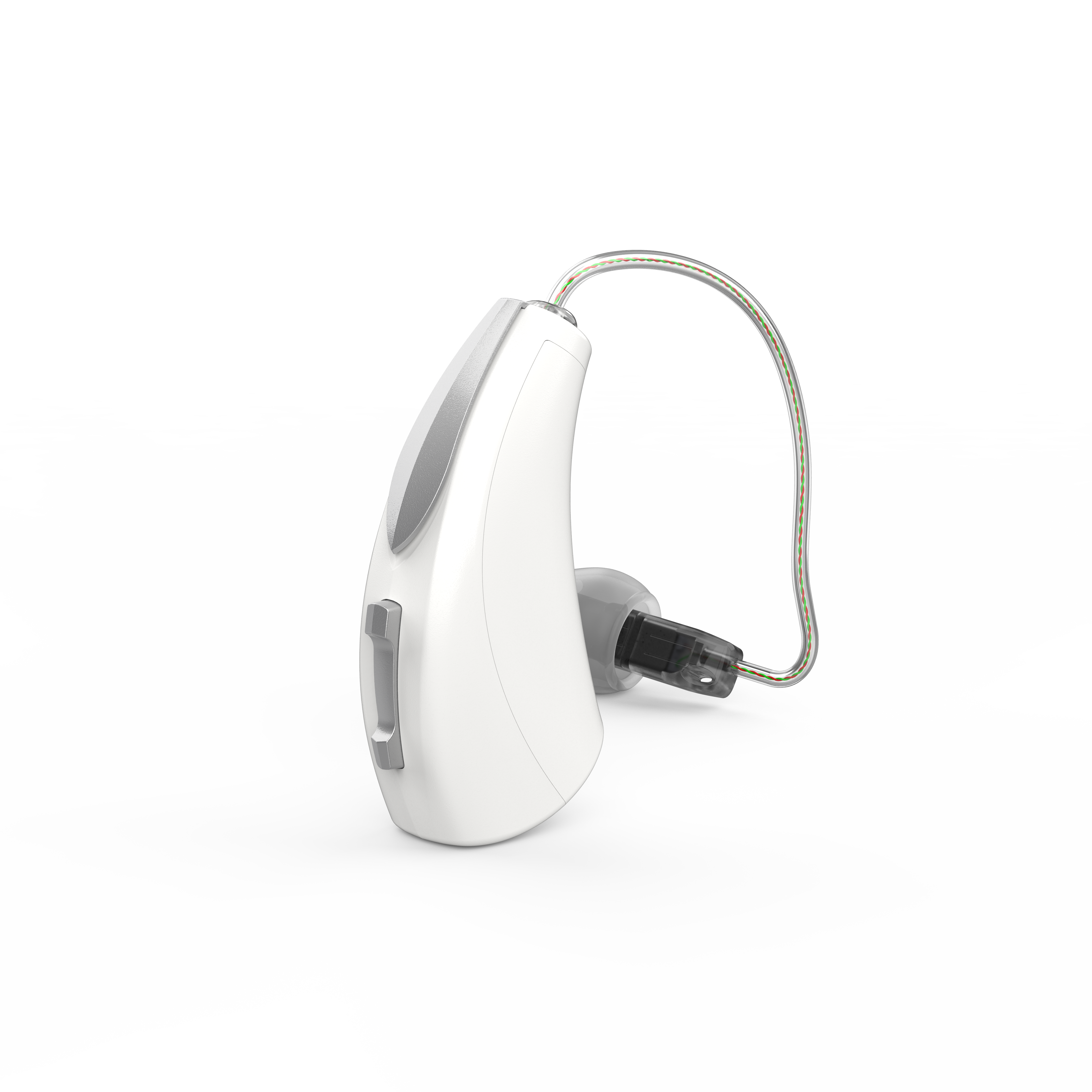
Starkey Livio AI hearing aid

Starkey Livio AI hearing aid.

The hearing care professional will be able to activate Fall Detection and Alerts through an easy-to-use interface within the fitting software for Starkey’s Livio AI hearing aids. The user can then enter the Auto Alert contacts—up to three people who are to be alerted in the event of a fall within the Thrive Hearing App. When a fall is detected by the system, an audio prompt asks the user if they have fallen. He or she then has 60 seconds to provide an Event Cancellation and stop the outgoing Fall Alert messages from being sent to their designated contacts. If the hearing aid user has fallen and elects to send the Fall Alert message to his/her contacts, they receive confirmation when each contact has been successfully reached.

Cheapest ear wax removal Somerset?

The system also allows for a Manual Alert which can be activated by simply pressing the hearing aid button, sending an alert for a fall or non-fall related event. “Maybe you didn’t fall, but instead just felt dizzy or were otherwise forced to sit down on the floor,” explains Bhowmik. “Obviously, this is not a fall. But you can still use the Manual Alert to get help when you need it. By tapping a button, you can send an automatic alert to your contacts, telling them you need assistance.”

This is just another step in the direction of making the hearing aid a multi-purpose, multi-functional device, according to Starkey.

To learn more about Starkey’s Livio AI you can visit: https://www.starkey.com/hearing-aids/technologies/livio-artificial-intelligence-hearing-aids

If you live in the Somerset or Devon area and need ear wax removal please click here.

Hearing aids Somerset

 Hearing aids Bath Somerset

   Keynsham hearing centre

Hearing aids at the Keynsham hearing centre run by Stephen and Anita Neal. Digital hearing aids have changed beyond recognition in the last 5 years. If you are using older hearing aids or have been using NHS hearing aids and would like to try the latest discreet digital hearing aids with connectivity with your mobile phone, tablet and T.V. Keynsham hearing offer a free trial. Please contact Anita on reception. We use PhonakGN ReSoundOticon and other manufacturers hearing aids.

       EAR WAX REMOVAL

The Keynsham hearing centre also conduct ear wax removal using Microsuction and the traditional water irrigation technique. You can watch our video here to see how we do this and how painless and quick it really is.

Keynsham hearing news:

Researchers Identify Gene Associated with Age-related Hearing Loss


Mouse study reveals contributor to hearing loss

An international group of researchers, led by Ronna Hertzano, MD, PhD, associate professor, Department of Otorhinolaryngology-Head & Neck Surgery, at the University of Maryland School of Medicine (UMSOM), and Michael Bowl, PhD, program leader track scientist, Mammalian Genetics Unit, MRC Harwell Institute, UK, have identified the gene that acts as a key regulator for special cells needed in hearing.

The discovery of this gene (Ikzf2) will help researchers better understand this unique type of cell that is needed for hearing and potentially develop treatments for common age-related hearing loss, UMSOM announced.

“Outer hair cells are the first inner ear cells lost as we age,” said Hertzano, whose research will be published in the journal Nature. “Age-related hearing loss happens to everyone. Even a 30-year-old has lost some of the outer hair cells that sense higher pitch sounds. Simple exposure to sound, especially loud ones, eventually causes damage to these cells.”

The inner ear has two kinds of sensory hair cells required for hearing. The inner hair cells convert sounds to neural signals that travel to the brain. This compares to outer hair cells, which function by amplifying and tuning sounds. Without outer hair cells, sound is severely muted and inner hair cells don’t signal the brain. Loss of outer hair cells is said to be the major cause of age-related loss of hearing.

About the Research

Hertzano’s group, in collaboration with Ran Elkon, PhD, senior lecturer, Department of Human Molecular Genetics and Biochemistry, Sackler Faculty of Medicine in Tel Aviv, Israel, took a bioinformatics and functional genomics approach to discover a gene critical for the regulation of genes involved in outer hair cell development. Bowl’s group studied mice from the Harwell Aging Screen to identify mice with hearing loss. Bowl identified mice with an early-onset hearing loss caused by an outer hair cell deficit. When the two groups realized that they were studying the same gene, they began to collaborate to discover its biological function and role in outer hair cell development. The gene is Ikzf2 gene, which encodes helios. Helios is a transcription factor, a protein that controls the expression of other genes. The mutation in the mice changes one amino acid in a critical part of the protein, which impaired the transcriptional regulatory activity of helios in the mice.

To test if helios could drive the differentiation of outer hair cells, the researchers introduced a virus engineered to overexpress helios into the inner ear hair cells of newborn mice. As a result, some of the mature inner hair cells became more like outer hair cells. In particular, the inner hair cells with an excess of helios started making the protein prestin and exhibited electromotility, a property limited to outer hair cells. Thus, helios can drive inner hair cells to adopt critical outer hair cell characteristics.

Funding for the research was provided by Action on Hearing Loss UK, the National Institute on Deafness and Other Communication Disorders (NIDCD) at the National Institutes of Health, and the Department of Defense (DOD).

As Professor Steve Brown, PhD, director, MRC Harwell Institute, said, “The development of therapies for age-related hearing loss represents one of the big challenges facing medicine and biomedical science. Understanding the genetic programs that are responsible for the development and maturation of sound-transducing hair cells within the inner ear will be critical to exploring avenues for the regeneration of these cells that are lost in abundance during age-related hearing loss. The teams from the University of Maryland and the MRC Harwell Research Institute have given us the first insights into that program. They have identified a master regulator, Ikzf2/helios, that controls the program for maturation of outer hair cells. Now, we have a target that we can potentially use to induce the production of outer hair cells within damaged inner ears, and we are one step closer to offering treatments for this disabling condition.”

Original Paper: Chessum L, Matern MS, Kelly MC, et al. Helios is a key transcriptional regulator of outer hair cell maturation. Nature. November 21, 2018.

Source: University of Maryland School of Medicine, Nature

Image: University of Maryland School of Medicine

Hearing aid solutions, Somerset

Hearing aid solutions for Somerset


Hearing aids & Ear wax removal Somerset

Hearing aids in Somerset at the Keynsham hearing centre by Stephen Neal. We are a family owned truly independent hearing centre based in Keynsham Somerset.

We supply and fit the very latest digital hearing aids from all the leading hearing aids manufacturers. We also conduct ear wax removal using Microsuction and the traditional water irrigation technique.

You can find out more about our ear wax Micro-suction removal here.

We now offer out of ours appointments

We are now offering out of hours appointments for al out new and existing clients. Please call Anita at Keynsham to arrange your out of hours appointment to suit your lifestyle.


Stephen Neal hearing news:


Cochlear and GN Expand Smart Hearing Alliance Collaboration

Published by The Hearing review

Cochlear and GN ReSound Smart Hearing Alliance

Cochlear Limited (ASX: COH), a maker of implantable hearing solutions, and GN (GN.CO), a manufacturer of intelligent audio solutions, signed a new agreement to “significantly expand” their Smart Hearing Alliance collaboration, GN announced on its website.

The Smart Hearing Alliance was established in 2015 to develop the most integrated, best-in-class hearing solutions—giving hearing aid and cochlear implant recipients access to the latest in connectivity and wireless technology, and helping bimodal recipients to achieve seamless connectivity between a cochlear implant in one ear, and a GN hearing aid in the other. The deepening of this relationship includes joint research and development, shared technology, and strengthened global Smart Hearing Alliance commercial collaboration between Cochlear and GN Hearing, the hearing aid division of the GN Group.

Somerset hearing aids

Cochlear and GN Hearing are now strengthening focus on their integrated product offering and expanding their presence in the clinical hearing aid and implantable hearing solutions markets globally. According to the announcement, the vision for this new collaboration will include a focus on fast-moving connectivity and wireless technology to allow for closer integration between Cochlear and GN Hearing technologies. The two companies will leverage research and development investment to jointly develop firmware and software technologies.

In addition to technology sharing, the two companies will strengthen the commercial collaboration and work together to enable clinicians to deliver a more seamless solution and best-in-class hearing experience to their patients.

GN Hearing CFO Marcus Desimoni and Cochlear CEO and President Dig Howitt welcomed the signing of the expanded agreement.

Somerset ear wax removal

Desimoni said: “This strengthened alliance is an important step forward for the millions of people around the world with disabling hearing loss—making the most advanced technology more accessible and simplifying the experience with more integrated solutions. GN Hearing is committed to advancing what is possible for people with hearing loss. This strategic partnership is a very smart and cost-effective way to expand the R&D capacity of both companies to reach our goals.”

Howitt said: “At Cochlear, we’re driven to develop hearing solutions that empower people to connect with others and live a full life. By expanding our collaboration with GN Hearing, we’re able to bring the latest in connectivity and wireless technology to our implant recipients more quickly. We’re also able to give bimodal recipients—those using a cochlear implant in one ear, and a hearing aid in the other—unparalleled performance and a seamless experience with both devices. As two leaders in our areas of hearing health, this collaboration demonstrates our commitment to design and bring to market the best hearing solutions available.”

Microsuction in Somerset

This collaboration aims to improve the hearing outcomes for more people with moderate to profound hearing loss. In developing more integrated bimodal hearing solutions, Cochlear and GN Hearing have focused on helping to achieve greater connectivity for people—not only between the two companies’ devices, but also with Apple and Android technology. Most recently, Cochlear and GN Hearing collaborated to bring to market the what is said to be the “first Made for iPhone” Smart Bimodal Solution, enabling recipients to synchronize streaming to both ears from a compatible iPhone, iPad, or iPod touch. The Nucleus® 7 Bimodal Solutionis delivered by using a Cochlear Nucleus 7 Sound Processor in one ear, a compatible ReSound hearing aid in the other ear, and a paired iPhone or iPod touch to control functionality for both hearing devices.

The Smart Hearing Alliance delivers bimodal solutions connecting Cochlear Nucleus cochlear implants, Cochlear Baha bone conduction implants, wireless accessories, and ReSound hearing aids.

Source: GN, Cochlear Ltd

Image: GN, Cochlear Ltd


Ear wax removal Somerset

Ear wax removal, Somerset

Ear wax removal Somerset, Bath, Bristol, Wells, Frome, Cheddar, Radstock

Ear wax removal Somerset


Do you live in Somerset?  In need of a hearing test or your hearing aid repaired? Or maybe you need your ear wax removed by a leading ear wax removal centre? Here at the Keynsham hearing centre, Stephen Neal can help with all your hearing needs.

Ear wax removal Somerset

We are experts in ear wax removal and use various techniques. Microsuction is just one way we can get out your hard impacted ear wax and the traditional water irrigation is another.  You can watch our video on Microsuction here.


Tinnitus therapy in Devon

DID YOU KNOW?

1 in 10 adults in the UK suffer with tinnitus.
Many of those suffering are not offered any help, and are simply told to live with it.
Tinnitus can almost always be improved for the client.

How can we help with Tinnitus?

We firstly meet with you and sit and discuss your full hearing history, work out what triggered the problem, we then talk to you about evaluating the degree of tinnitus and how it is impacting on your life, where your issues are. We normally examine the ears with our video otoscope and show you the results on our flat screen. We then carry out a puretone audiogram to assess how good your hearing is, or if there are any areas of damage (such as those caused by noise for example).

We then sit down and consult with you, armed with all the information, and work out a care plan for you, using the tools available to us as explained above.

Please call Anita or Stephen for an appointment and we will fit you in as soon as possible.  We are based in Keynsham North East Somerset but cover Bristol, Bath, Frome, Cheddar, Radstock and beyond. If you live in Devon  you can always try the Honiton Hearing Centre

Cheapest hearing aids Somerset

Cheapest hearing aids Somerset?


Ear wax removal, Somerset, Devon, Honiton, Exeter, Crediton, Keynsham, Taunton, hearing aids, wax, microsuction,

Cheapest hearing aids, Somerset

The latest hearing aids in Somerset

We may not be the cheapest hearing aids in Somerset but we are very competitive and an independent small family owned companies.  Your ears deserve the best, we are the best in the Somerset and Wiltshire area (according to our sons). Unlike the larger high street companies, when you visit us you will be seen by the same person each time! This make a huge difference for your treatment and dispensing. Consistency is key when it comes to ear health.  We don’t have the buying power of the major companies but we are pretty close. We offer what the majors don’t. We offer one to one ongoing treatment and advice with the same person who you will get to know and we will get to know you.  For most of our clients we are almost family as we know each other so well.

If you feel like you need advice before you buy a new hearing aid or a set of hearing aids we are happy to trial these so you are 100% happy before you purchase. Please ask Anita or Steve at the Keynsham hearing centre what their costs are at the moment.

We are both committed to make sure you are happy and content with your hearing aids, so always here to make sure you get the best from them and us. We will always try and fit you in as soon as possible if you are in need to see us urgently. Stephen at Keynsham hearing centre does an out of hours appointment service also. Click here to see the details.

Ear wax removal Devon & Somerset

We also conduct ear wax removal using Micro-suction, and the traditional water irrigation technique. You can watch our videos bellow to see how these work.

Please look at our videos to see how we work. 

Ear wax removal Somerset

Ear wax removal Devon

Hearing test in Devon

Hearing test info for Somerset

Ear irrigation in Devon

Keynsham hearing centre 

Hearing issues for Bath & Bristol

Hearing issues, Bath, Bristol. Stephen Neal


Stephen Neal, Hearing issues.

The Keynsham hearing centre for hearing issues, is a private hearing company based in Keynsham. Stephen Neal the lead audiologist can help with all matters relating to hearing issues, ear wax removal, the latest hearing instruments (Hearing aids) and conducts hearing tests.  Book ahead for a comprehensive hearing test and discussion on your hearing heath after he hearing test result.

If you are suffering with hearing loss and suspect that ear wax maybe the issue, Stephen neal will comduct either Microsuction or the traditional water ear irrigation technique. Microsuction is painless and is the latest way to remove stubborn ear wax from your ear canal. Watch our Microsuction video here. 


Stephen Neal, NEWS:

Hearing issues, Bath, Bristol, Somerset, Wiltshire, Independent, Private

Hearing issues in Somerset and Wiltshire


HEARING issue

News originaly taken from the Hearing Review

Hearing Technology Manufacturers Call for EU Response to Hearing Loss

Published on September 19, 2018

The British and Irish Hearing Instrument Manufacturers Association (BIHIMA) works closely with its European counterpart the European Hearing Instrument Manufacturers Association (EHIMA), and has supported their recent efforts to raise awareness of hearing loss with EU policymakers, the trade association announced. EHIMA submitted a parliamentary question to the European Commission in July, which has recently received a response from ministers.


The question, which was signed by the Austrian MEP Heinz K. Becker, can be read in full here. The question points to a widening gap between people that self-report hearing loss and the smaller proportion that receive treatment and/or wear devices; this “suboptimal use” of devices is estimated to cost the EU over EUR 500 billion (about USD $583.73 billion) annually. Citing the European Pillar of Social Rights—principles 16 and 17 which cover health care and the inclusion of people with disabilities—the question asks how the Commission can support best practices like early screenings, community education about the benefits of hearing devices, and research related to prevention and treatment strategies for hearing loss.

HEARING issues

The European Commission published its answer on August 24, pointing to its efforts to develop the Best Practice Portal, a website described as a “one-stop shop” for best practices in a number of public health initiatives related to the 2030 Sustainable Development Goals developed by the United Nations. In particular, the website aims to meet goal 3.4, “to reduce premature mortality from non-communicable diseases through prevention and treatment and promote mental health and well-being, by one-third.” Additionally, the Commission’s 7th Framework Program for Research (FP7) as well as Horizon 2020—an EU research and innovation program—have funded research on the auditory system, screening standards, hearing devices, diagnosis and treatment of hearing loss-related diseases, and sign language. Further, the Commission states they have proposed a EUR 7.7 billion (USD about $9 billion) health budget for Horizon Europe 2020, focusing on initiatives related to lifelong health, rare diseases, and health care technologies, among other things. To further facilitate hearing-related funding, the Commission said, “Horizon Europe will be open to research proposals on hearing loss, including prevention and rehabilitation and innovative treatments.”

According to BIHIMA’s announcement, the Commission’s response is considered a positive exchange of information. Further, they state, BIHIMA’s European hearing manufacturing partners are encouraged that a greater understanding of hearing loss is being fostered among European policymakers.

“BIHIMA stand fully behind our European partners, EHIMA, in their effort to draw much-needed attention to hearing loss and we applaud this initiative to influence EU decision-making,” said Chairman Paul Surridge.

BIHIMA and EHIMA are together committed to the work of improving the lives of people with hearing loss through promoting greater access to hearing technology.

Source: BIHIMA, EHIMA, European Commission


Ear wax removal Wells Somerset

Ear wax removal Wells Somerset, By Stephen Neal


Ear wax can be a troublesome thing if you suffer from excess ear wax. Stephen Neal, the ear wax specialist for Wells, Somerset, can relive you of your ear wax without pain or worry. Using the Microsuction technique Stephen will clear your ear wax easily and painlessly.  Based at the Keynsham hearing centre, Stephen can also conduct hearing tests, dispense the very latest digital hearing aids and has a fully stocked hearing aid battery supply.


Stephen Neal, ear wax removal News:


Starkey Launches Livio AI Hearing Aid with Integrated Sensors and Artificial Intelligence

Starkey Livio AI.

Somerset, ear wax removal, Hearing aids in Somerset,

Wells Somerset ear wax removal,

Starkey® Hearing Technologies is said to have “reinvented both the hearing experience and the hearing aid” with Livio AI. Livio AI is reportedly “the world’s first” Healthable™ hearing aid to utilize integrated sensors and artificial intelligence and the first device to track physical activity and cognitive health as measured by hearing aid use in social situations, Starkey announced.

The launch also includes a brand-new mobile app—Thrive™ Hearing—and three new wireless accessories, the Starkey Hearing Technologies TV, the Remote, and the Remote Microphone +. With the Remote Micorophone+, Livio AI is also the first hearing aid to feature Amazon® Alexa connectivity.

“First and foremost, Livio AI is the best performing and best sounding hearing aid we have ever made,” said Starkey Hearing Technologies President Brandon Sawalich. “What makes today a pivotal moment in the hearing industry, is that with Livio AI, we have transformed a single-use device into the world’s first multi-purpose hearing aid, a Healthable with integrated sensors and artificial intelligence. Livio AI is so much more than just a hearing aid, it is a gateway to better health and wellness.”

Ear wax removal in the Somerset area including Wells


According to Starkey, the new Hearing Reality™ technology is said to provide an average 50% reduction in noisy environments, significant reduced listening effort, and newly enhanced clarity of speech, while the use of artificial intelligence and integrated sensors enables it to help optimize the hearing experience.

Artificial intelligence and advancements in hearing technology enabled Livio AI to provide the following unique features and benefits, according to Starkey’s announcement:

  • Understand and see the real-time health benefits of using hearing aids
  • Overall health and wellness tracking through the app’s combined brain and body health score (Thrive Wellness Score)
  • Integration of the physical activity data measured by inertial sensors of the hearing aids with Apple Health and Google Fit apps
  • Personalized Control for customizable adjustments to sound and programs
  • Remote programming by users’ hearing professionals to put hearing healthcare in the hands of the users
  • Natural user interface with tap control
  • Unprecedented, natural listening, and speech clarity in the noisiest environments with the new Hearing Reality technology
  • Integrated language translation
  • Dual-radio wireless platform: 2.4GHz radio for streaming of phone calls, music, media, apps, and connecting with various devices including TVs and Amazon Alexa; near-field magnetic induction technology for true ear-to-ear communication and binaural noise reduction
  • Fall detection with inertial sensors integrated within the hearing aids (App support coming soon)

Ear wax removal Wells Somerset

Designed to help users live their healthiest life, Livio AI is available as a RIC 312 and BTE 13 in a variety of colors. In addition to the above features, Livio AI also includes Starkey’s feedback cancellation, high-definition music prescription, Multiflex Tinnitus Technology, and Surface™ NanoShield pioneering water, wax, and moisture repellant system to help protect and ensure durability and dependability.

How integrated sensors and AI helped Starkey transform the hearing aid

“Artificial intelligence, coupled with advanced sensing devices, is rapidly changing the world around us,” Starkey Hearing Technologies Chief Technology Officer and Executive Vice President of Engineering Achin Bhowmik said. “We are proud to introduce these transformational technologies into the world of hearing aids to both optimize the users’ hearing experiences and enable them to continuously monitor and improve their overall health besides treating hearing loss, reducing the associated risks of dementia, anxiety, and social isolation.”

The integrated 3D motion sensors inside Livio AI enable the hearing aids to detect movement, track activities, and recognize gestures. The hearing aids communicate with each other and compatible mobile accessories to deliver meaningful, real-time feedback about users’ overall body and cognitive health and fitness. Wells, Somerset is the premier place for ear wax removal.

This technology may allow people to take a proactive and personal approach to treating hearing loss, which has been linked to various health issues including dementia, cognitive decline, anxiety, stress, social isolation, and an increased risk of falling.

Livio AI is reportedly the first device utilizing the ears to help users better understand not only how to improve their overall health and wellness, but also the deep connection between treating hearing loss and reducing health risks. This helps to improve key areas of wellbeing by reconnecting users to the people, places, and activities they love.

Livio AI is available in the United States and Canada at this time, with a global rollout to more than 20 countries in 2019. For more information about Livio AI hearing aids, the Thrive mobile app, and new Starkey Hearing Technologies accessories, visit www.starkey.com.

Also see Hearing Review’s follow-up article detailing Starkey’s launch of Livio AI.

Source: Starkey

Ear wax removal in Weston Super mare

Ear wax removal in Weston Super-mare


Stephen Neal the premier ear wax removal specialist is now taking clients from the W.S.M area including Banwell, Worle, Cheddar and Wells in the Mendips. Weston super mare.


If you are suffering from blocked ears and think you may have ear wax blocking your ear or ears, then Stephen Neal (based in Keynsham) can remove this excess ear wax. Using Microsuction (view video here)

Stephen Neal, word audiology news:


Starkey Launches Livio AI Hearing Aid with Integrated Sensors and Artificial Intelligence

Published on 

ear wax removal, Somerset, W.S.M. Weston Super Mare, Wells-Somerset, Cheddar, Worle

Ear wax removal in Weston Super Mare

Starkey® Hearing Technologies is said to have “reinvented both the hearing experience and the hearing aid” with Livio AI. Livio AI is reportedly “the world’s first” Healthable™ hearing aid to utilize integrated sensors and artificial intelligence and the first device to track physical activity and cognitive health as measured by hearing aid use in social situations, Starkey announced.

The launch also includes a brand-new mobile app—Thrive™ Hearing—and three new wireless accessories, the Starkey Hearing Technologies TV, the Remote, and the Remote Microphone +. With the Remote Micorophone+, Livio AI is also the first hearing aid to feature Amazon® Alexa connectivity.

“First and foremost, Livio AI is the best performing and best sounding hearing aid we have ever made,” said Starkey Hearing Technologies President Brandon Sawalich. “What makes today a pivotal moment in the hearing industry, is that with Livio AI, we have transformed a single-use device into the world’s first multi-purpose hearing aid, a Healthable with integrated sensors and artificial intelligence. Livio AI is so much more than just a hearing aid, it is a gateway to better health and wellness.”

According to Starkey, the new Hearing Reality™ technology is said to provide an average 50% reduction in noisy environments, significant reduced listening effort, and newly enhanced clarity of speech, while the use of artificial intelligence and integrated sensors enables it to help optimize the hearing experience.

Artificial intelligence and advancements in hearing technology enabled Livio AI to provide the following unique features and benefits, according to Starkey’s announcement:

  • Understand and see the real-time health benefits of using hearing aids – NEW
  • Overall health and wellness tracking through the app’s combined brain and body health score (Thrive Wellness Score) – NEW
  • Integration of the physical activity data measured by inertial sensors of the hearing aids with Apple Health and Google Fit apps – NEW
  • Personalized Control for customizable adjustments to sound and programs
  • Remote programming by users’ hearing professionals to put hearing healthcare in the hands of the users – NEW
  • Natural user interface with tap control – NEW
  • Unprecedented, natural listening, and speech clarity in the noisiest environments with the new Hearing Reality technology – NEW
  • Integrated language translation – NEW
  • Dual-radio wireless platform: 2.4GHz radio for streaming of phone calls, music, media, apps, and connecting with various devices including TVs and Amazon Alexa; near-field magnetic induction technology for true ear-to-ear communication and binaural noise reduction
  • Fall detection with inertial sensors integrated within the hearing aids (App support coming soon) – NEW

Designed to help users live their healthiest life, Livio AI is available as a RIC 312 and BTE 13 in a variety of colors. In addition to the above features, Livio AI also includes Starkey’s feedback cancellation, high-definition music prescription, Multiflex Tinnitus Technology, and Surface™ NanoShield pioneering water, wax, and moisture repellant system to help protect and ensure durability and dependability.

How integrated sensors and AI helped Starkey transform the hearing aid

“Artificial intelligence, coupled with advanced sensing devices, is rapidly changing the world around us,” Starkey Hearing Technologies Chief Technology Officer and Executive Vice President of Engineering Dr Achin Bhowmik said. “We are proud to introduce these transformational technologies into the world of hearing aids to both optimize the users’ hearing experiences and enable them to continuously monitor and improve their overall health besides treating hearing loss, reducing the associated risks of dementia, anxiety, and social isolation.”

The integrated 3D motion sensors inside Livio AI enable the hearing aids to detect movement, track activities, and recognize gestures. The hearing aids communicate with each other and compatible mobile accessories to deliver meaningful, real-time feedback about users’ overall body and cognitive health and fitness.

This technology may allow people to take a proactive and personal approach to treating hearing loss, which has been linked to various health issues including dementia, cognitive decline, anxiety, stress, social isolation, and an increased risk of falling.

Weston Super mare ear wax removal

Livio AI is reportedly the first device utilizing the ears to help users better understand not only how to improve their overall health and wellness, but also the deep connection between treating hearing loss and reducing health risks. This helps to improve key areas of wellbeing by reconnecting users to the people, places, and activities they love.

Livio AI is available in the United States and Canada at this time, with a global rollout to more than 20 countries in 2019. For more information about Livio AI hearing aids, the Thrive mobile app, and new Starkey Hearing Technologies accessories, please visit www.starkey.com

Stay tuned to Hearing Review for a follow-up article detailing Starkey’s launch of Livio AI.

Source: Starkey

Depression and Hearing loss

Depression and Hearing Loss

Stephen Neal the ear wax removal specialist in Somerset. News


Depression and its connection to hearing loss seems pretty logical and self-evident, especially if you’re a dispensing professional who experiences daily the difference that amplification can make in a person’s life. In fact, many clinicians find themselves explaining the connection as follows: a person’s hearing loss and related communication problems can lead to gaffes and social faux pas; leading to embarrassment, anxiety, and loss of self-esteem; leading to gradual withdrawal from social situations and physical activity; leading to social isolation and loneliness; and eventually bringing them down the path to depression.

Karl Strom_photo

While this is probably an adequate description for some cases, a recent webinar1 by Victor Bray, PhD, associate professor and former dean of Salus University’s Osborne College of Audiology, points to more recent scientific literature that paints a far more complex picture of hearing loss and its association with depression—one we all should be aware of. The utility of hearing aids, cochlear implants, and assistive devices is made no less important by this complexity; however, it’s vital to understand who might be most at risk for depression in your patient population, how best to administer simple screening tools (ie, the PHQ-2 or PHQ-9), and why it’s important to refer patients to a medical doctor or psychologist, when indicated. 

Depression, also known as major depressive disorder (MDD), is present in 5-10% of the general population (up to 40% in some groups), and is a serious medical illness that negatively affects feelings, thoughts, and actions. The primary risk factors for depression are co-morbid chronic medical conditions (hearing loss is a pervasive chronic condition, especially among seniors) and recent stressful events. And, as with cognitive decline and dementia—the subject of my editorial last month—the stakes in treating depression are high for society and healthcare professionals. As Hsu and colleagues (2016) pointed out:

Depression is a common mental disorder, which affects 350 million people in the world. Unipolar depressive disorders and adult-onset hearing loss, the most common neuropsychiatric conditions, and sense organ disorder, respectively, are the first and second leading nonfatal causes of year loss due to disability among adults in high-income countries.2

Several of the studies reviewed by Dr Bray tend to suggest that the odds ratio for acquiring depression increases by a factor of about two if you have untreated hearing loss. However, a lot of the studies also show that a variety of chronic illnesses—ranging from cirrhosis to diabetes mellitus—can be associated with depression, so there could be some underlying neurophysiological common cause in hearing loss and other health problems that hasn’t been discovered yet. Dr Bray also looks at some very intriguing research about how dual-sensory loss (ie, hearing and vision loss) and sudden sensorineural hearing loss (particularly among young people) can greatly increase the risk for depression, as well as studies that are shedding light on how treated hearing loss might positively affect those suffering from anxiety, loneliness, and depression. 

As Dr Bray explains, the linkage of hearing loss to depression could come from both a social (downstream) effect, as described at the beginning of this article, and a biological/neurological (upstream) effect, as proposed in a model by Rutherford et al.3 If that were the case, an effective treatment plan could involve therapy and/or medication from a psychologist, in coordination with a hearing device and/or auditory and cognitive retraining from a hearing care professional. 

Dr Bray’s webinar was sponsored by Hamilton CapTel, and the company also sponsored an exceptionally interesting and well-viewed webinar last year about hearing loss and associated co-morbidities (including depression) by Harvey Abrams, PhD.4,5 When viewed together, they put an exclamation point on the fact that hearing loss isn’t just about the ears, it’s about health, the brain, quality of life, healthy aging, and so much more—while underscoring the crucial role of the hearing care professional in general healthcare.

To see Dr Bray’s webinar, visit . 

Citation for this article: Strom KE. Depression and hearing loss. Hearing Review. 2018;25(8):6.

References

1. Bray V. Depression, hearing loss, and treatment with hearing aids [Webinar]. July 13, 2018. Available at: http://www.hearingreview.com/2018/07/new-webinar-depression-hearing-loss-treatment-hearing-aids

2. Hsu W-T, Hsu C-C, Wen M-H, et al. Increased risk of depression in patients with acquired sensory hearing loss: A 12-year follow-up study. Medicine. 2016;95(44):e5312.

3. Rutherford BR, Brewster K, Golub JS, Kim AH, Roose SP. Sensation and psychiatry: Linking age-related hearing loss to late-life depression and cognitive decline. Am J Psychiatry. 2017;175(3):215-224.

4. Abrams H. Hearing loss and associated comorbidities: What do we know [Webinar]? May 31, 2017. Available at: http://www.hearingreview.com/2017/05/new-webinar-hearing-loss-associated-comorbidities-know/

5. Abrams H. Hearing loss and associated comorbidities: What do we know? Hearing Review. 2017;24(12):32-35. Available at: http://www.hearingreview.com/2017/11/hearing-loss-associated-comorbidities-know/

Heading a football could create Balance issues

Heading a Football May Be Linked to Increase in Balance Problems

Stephen Neal News:

Somerset. WSM, Cheddar, Radstock, Keynsham, Warmley, Bath, Bristol

Ear-wax removal in Somerset. WSM, Cheddar, Radstock, Keynsham

Soccer players who head the ball more often may be more likely to have balance problems than players who do not head the ball as often, according to a preliminary study released today that will be presented at the American Academy of Neurology’s (AAN) Sports’ Concussion Conference in Indianapolis July 20 to 22, 2018, the AAN announced on its website.

“Soccer headers are repetitive subconcussive head impacts that may be associated with problems with thinking and memory skills and structural changes in the white matter of the brain,” said study author John Jeka, PhD, of the University of Delaware in Newark, Del. “But the effect of headers on balance control has not been studied.”

For the study, 20 soccer players recruited from the community in Newark took a balance test where they walked along a foam walkway with their eyes closed under two conditions: with galvanic vestibular stimulation (GVS) and without GVS. For GVS, electrodes placed behind each ear stimulate the nerves that send messages from the balance system in the inner ear to the brain. So the stimulator can make you feel like you are moving when you are not. In this case, it made participants feel like they were falling sideways.

The soccer players, who had an average age of 22, also completed questionnaires about how many times they had headed the ball during the past year. The number of headers over a year for each participant ranged from 16 to 2,100, with an average of 451 headers. Those numbers were calculated by asking participants for the average number of headers during a practice and game, the average number of practices and games per week, and the average number of months per year that the player participated.

The study found that the players with the largest number of headers had the largest balance responses to GVS in both foot placement and hip adduction during the walking test, which indicated that they had vestibular processing and balance recovery problems. Researchers found for every 500 headers, foot placement response increased about 9 millimeters and hip adduction response increased about 0.2 degrees.

“Soccer players must have good balance to play the game well, yet our research suggests that headers may be undermining balance, which is key to all movement, and yet another problem now linked to headers,” said study author Fernando V. Santos, PT, of the University of Delaware. “It is important that additional research be done to look more closely at this possible link with balance and to confirm our findings in larger groups of people.”

A limitation of the study was that participants relied on memory when reporting how many times they headed the ball. The study was supported by the National Institutes of Health (NIH).

Learn more about concussion at www.BrainandLife.org, the American Academy of Neurology’s free patient and caregiver magazine and website focused on the intersection of neurologic disease and brain health. Follow Brain & Life on FacebookTwitter, and Instagram.

To learn more about the AAN’s Sports Concussion Guideline and access resources, visit https://www.aan.com/concussion.

Original Paper: Santos FV, Caccese JB, Gongora M, et al. Greater exposure to repetitive subconcussive head impacts is associated with vestibular dysfunction and balance impairments during walking. Paper presented at: 2018 AAN Sports Concussion Conference; Indianapolis, IN. https://www.aan.com/PressRoom/Home/GetDigitalAsset/12757

Source: AAN

Image: © Macleoddesigns Dreamstime.com

http://www.keynshamhearing.co.uk