Posts

Hearing aids Somerset

 Hearing aids Bath Somerset

   Keynsham hearing centre

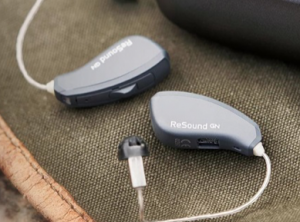
Hearing aids at the Keynsham hearing centre run by Stephen and Anita Neal. Digital hearing aids have changed beyond recognition in the last 5 years. If you are using older hearing aids or have been using NHS hearing aids and would like to try the latest discreet digital hearing aids with connectivity with your mobile phone, tablet and T.V. Keynsham hearing offer a free trial. Please contact Anita on reception. We use PhonakGN ReSoundOticon and other manufacturers hearing aids.

       EAR WAX REMOVAL

The Keynsham hearing centre also conduct ear wax removal using Microsuction and the traditional water irrigation technique. You can watch our video here to see how we do this and how painless and quick it really is.

Keynsham hearing news:

Researchers Identify Gene Associated with Age-related Hearing Loss

 

Mouse study reveals contributor to hearing loss

An international group of researchers, led by Ronna Hertzano, MD, PhD, associate professor, Department of Otorhinolaryngology-Head & Neck Surgery, at the University of Maryland School of Medicine (UMSOM), and Michael Bowl, PhD, program leader track scientist, Mammalian Genetics Unit, MRC Harwell Institute, UK, have identified the gene that acts as a key regulator for special cells needed in hearing.

The discovery of this gene (Ikzf2) will help researchers better understand this unique type of cell that is needed for hearing and potentially develop treatments for common age-related hearing loss, UMSOM announced.

“Outer hair cells are the first inner ear cells lost as we age,” said Hertzano, whose research will be published in the journal Nature. “Age-related hearing loss happens to everyone. Even a 30-year-old has lost some of the outer hair cells that sense higher pitch sounds. Simple exposure to sound, especially loud ones, eventually causes damage to these cells.”

The inner ear has two kinds of sensory hair cells required for hearing. The inner hair cells convert sounds to neural signals that travel to the brain. This compares to outer hair cells, which function by amplifying and tuning sounds. Without outer hair cells, sound is severely muted and inner hair cells don’t signal the brain. Loss of outer hair cells is said to be the major cause of age-related loss of hearing.

About the Research

Hertzano’s group, in collaboration with Ran Elkon, PhD, senior lecturer, Department of Human Molecular Genetics and Biochemistry, Sackler Faculty of Medicine in Tel Aviv, Israel, took a bioinformatics and functional genomics approach to discover a gene critical for the regulation of genes involved in outer hair cell development. Bowl’s group studied mice from the Harwell Aging Screen to identify mice with hearing loss. Bowl identified mice with an early-onset hearing loss caused by an outer hair cell deficit. When the two groups realized that they were studying the same gene, they began to collaborate to discover its biological function and role in outer hair cell development. The gene is Ikzf2 gene, which encodes helios. Helios is a transcription factor, a protein that controls the expression of other genes. The mutation in the mice changes one amino acid in a critical part of the protein, which impaired the transcriptional regulatory activity of helios in the mice.

To test if helios could drive the differentiation of outer hair cells, the researchers introduced a virus engineered to overexpress helios into the inner ear hair cells of newborn mice. As a result, some of the mature inner hair cells became more like outer hair cells. In particular, the inner hair cells with an excess of helios started making the protein prestin and exhibited electromotility, a property limited to outer hair cells. Thus, helios can drive inner hair cells to adopt critical outer hair cell characteristics.

Funding for the research was provided by Action on Hearing Loss UK, the National Institute on Deafness and Other Communication Disorders (NIDCD) at the National Institutes of Health, and the Department of Defense (DOD).

As Professor Steve Brown, PhD, director, MRC Harwell Institute, said, “The development of therapies for age-related hearing loss represents one of the big challenges facing medicine and biomedical science. Understanding the genetic programs that are responsible for the development and maturation of sound-transducing hair cells within the inner ear will be critical to exploring avenues for the regeneration of these cells that are lost in abundance during age-related hearing loss. The teams from the University of Maryland and the MRC Harwell Research Institute have given us the first insights into that program. They have identified a master regulator, Ikzf2/helios, that controls the program for maturation of outer hair cells. Now, we have a target that we can potentially use to induce the production of outer hair cells within damaged inner ears, and we are one step closer to offering treatments for this disabling condition.”

Original Paper: Chessum L, Matern MS, Kelly MC, et al. Helios is a key transcriptional regulator of outer hair cell maturation. Nature. November 21, 2018.

Source: University of Maryland School of Medicine, Nature

Image: University of Maryland School of Medicine
Hearing aids Somerset

New Digital Hearing aids in Somerset, at the Keynsham hearing centre


Stephen Neal who owns and runs the Keynsham hearing centre is the premier ear wax removal specialist covering Bath, Somerset and the Bristol areas. If you are suffering form ear wax blocked ears, or in need of a hearig test Stephen Neal has the very latest ear tech in the Somerset and Wiltshire area. The very latest hearing aids are dispensed, which include iPhone & Android compatible devices.  T.V. streaming devices and hearing aid batteries are also avaialble.

Stephen Neal News:


Starkey Launches Livio AI Hearing Aid with Integrated Sensors and Artificial Intelligence

Origianl Story by: The Hearing review

RIC 312_Healthable_FL18_001591_bright white_Paris_3-4 R_lrg

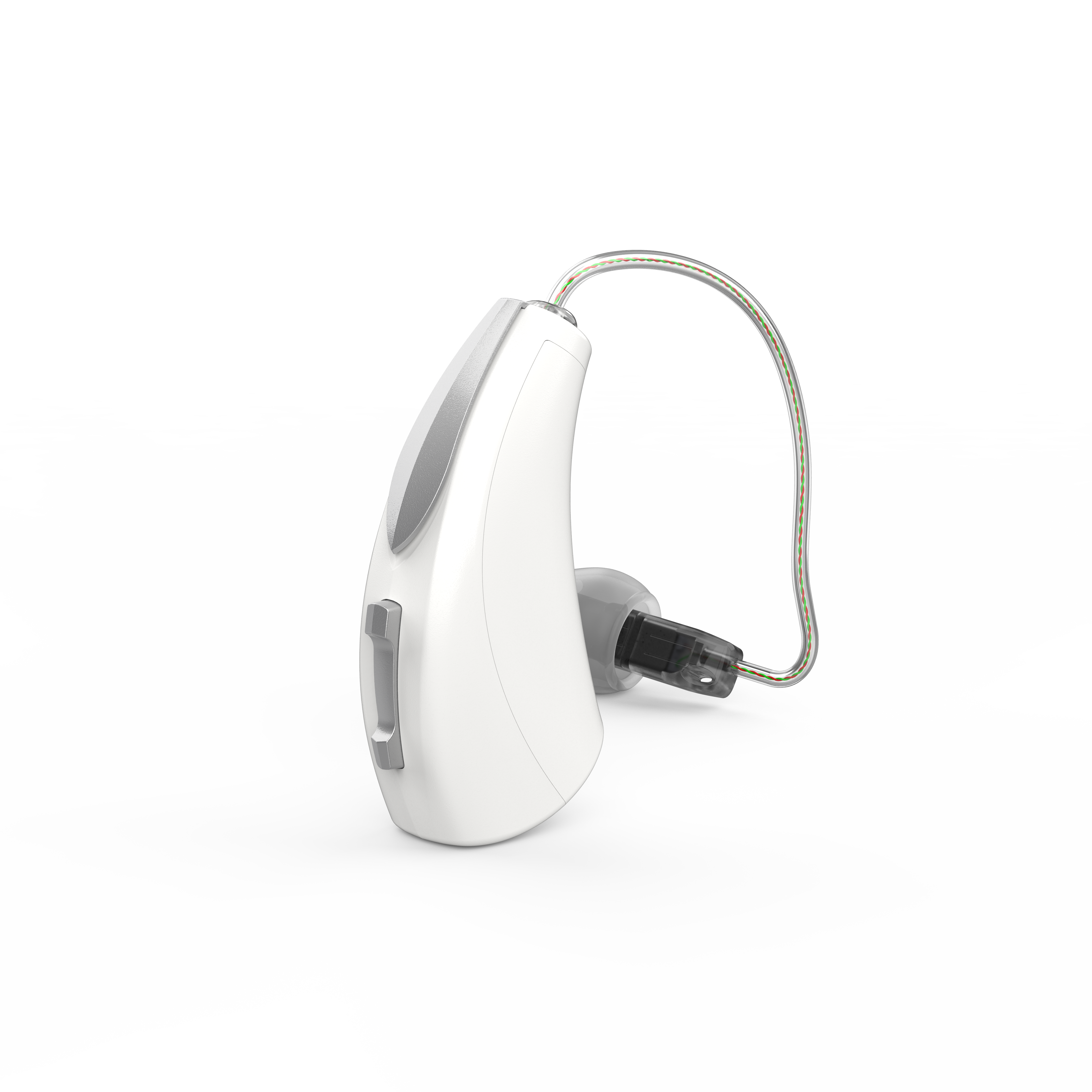
Starkey Livio AI.

Starkey® Hearing Technologies is said to have “reinvented both the hearing experience and the hearing aid” with Livio AI. Livio AI is reportedly “the world’s first” Healthable™ hearing aid to utilize integrated sensors and artificial intelligence and the first device to track physical activity and cognitive health as measured by hearing aid use in social situations, Starkey announced.

The launch also includes a brand-new mobile app—Thrive™ Hearing—and three new wireless accessories, the Starkey Hearing Technologies TV, the Remote, and the Remote Microphone +. With the Remote Micorophone+, Livio AI is also the first hearing aid to feature Amazon® Alexa connectivity.

Hearing aids Keynsham Somerset

“First and foremost, Livio AI is the best performing and best sounding hearing aid we have ever made,” said Starkey Hearing Technologies President Brandon Sawalich. “What makes today a pivotal moment in the hearing industry, is that with Livio AI, we have transformed a single-use device into the world’s first multi-purpose hearing aid, a Healthable with integrated sensors and artificial intelligence. Livio AI is so much more than just a hearing aid, it is a gateway to better health and wellness.”

According to Starkey, the new Hearing Reality™ technology is said to provide an average 50% reduction in noisy environments, significant reduced listening effort, and newly enhanced clarity of speech, while the use of artificial intelligence and integrated sensors enables it to help optimize the hearing experience.

Artificial intelligence and advancements in hearing technology enabled Livio AI to provide the following unique features and benefits, according to Starkey’s announcement:

  • Understand and see the real-time health benefits of using hearing aids
  • Overall health and wellness tracking through the app’s combined brain and body health score (Thrive Wellness Score)
  • Integration of the physical activity data measured by inertial sensors of the hearing aids with Apple Health and Google Fit apps
  • Personalized Control for customizable adjustments to sound and programs
  • Remote programming by users’ hearing professionals to put hearing healthcare in the hands of the users
  • Natural user interface with tap control
  • Unprecedented, natural listening, and speech clarity in the noisiest environments with the new Hearing Reality technology
  • Integrated language translation
  • Dual-radio wireless platform: 2.4GHz radio for streaming of phone calls, music, media, apps, and connecting with various devices including TVs and Amazon Alexa; near-field magnetic induction technology for true ear-to-ear communication and binaural noise reduction
  • Fall detection with inertial sensors integrated within the hearing aids (App support coming soon)

Designed to help users live their healthiest life, Livio AI is available as a RIC 312 and BTE 13 in a variety of colors. In addition to the above features, Livio AI also includes Starkey’s feedback cancellation, high-definition music prescription, Multiflex Tinnitus Technology, and Surface™ NanoShield pioneering water, wax, and moisture repellant system to help protect and ensure durability and dependability.

Ear wax removal Somerset

“Artificial intelligence, coupled with advanced sensing devices, is rapidly changing the world around us,” Starkey Hearing Technologies Chief Technology Officer and Executive Vice President of Engineering Achin Bhowmik said. “We are proud to introduce these transformational technologies into the world of hearing aids to both optimize the users’ hearing experiences and enable them to continuously monitor and improve their overall health besides treating hearing loss, reducing the associated risks of dementia, anxiety, and social isolation.”

The integrated 3D motion sensors inside Livio AI enable the hearing aids to detect movement, track activities, and recognize gestures. The hearing aids communicate with each other and compatible mobile accessories to deliver meaningful, real-time feedback about users’ overall body and cognitive health and fitness.

This technology may allow people to take a proactive and personal approach to treating hearing loss, which has been linked to various health issues including dementia, cognitive decline, anxiety, stress, social isolation, and an increased risk of falling.

Livio AI is reportedly the first device utilizing the ears to help users better understand not only how to improve their overall health and wellness, but also the deep connection between treating hearing loss and reducing health risks. This helps to improve key areas of wellbeing by reconnecting users to the people, places, and activities they love.

Hearing aids Bath Somerset

Livio AI is available in the United States and Canada at this time, with a global rollout to more than 20 countries in 2019. For more information about Livio AI hearing aids, the Thrive mobile app, and new Starkey Hearing Technologies accessories, visit www.starkey.com.

Also see Hearing Review’s follow-up article detailing Starkey’s launch of Livio AI.

Source: Starkey

Watch: Earwax removal using Microsuction

www.ear-wax-removal.co.uk

www.Stephenneal.co.uk

Hearing aids Keynsham Somerset

Hearing aids Keynsham Somerset


Hearing aids & Ear wax removal Somerset

Hearing aids in Somerset at the Keynsham hearing centre. We are a family owned truly independent hearing centre based in Keynsham Somerset.

We supply and fit the very latest digital hearing aids from all the leading hearing aids manufacturers. We also conduct ear wax removal using Microsuction and the traditional water irrigation technique.

You can find out more about our ear wax Micro-suction removal here.


Stephen Neal News:

GN ReSound Showcases New Partnership with Google and LiNX Quattro at EUHA 2018

ReSound LiNX Quattro.

Hearing aids and Ear wax removal Keynsham Somerset

    ReSound LiNX Quattro.

With today’s start of the European Union of Hearing Aid Acousticians(EUHA) Congress in Hannover, Germany, GN ReSound has announced a new partnership with Google that will provide a full spectrum of direct streaming to hearing aids from Android devices, and the company is showcasing what the company is calling a “premium-plus” hearing aid, ReSound LiNX Quattro,™ which was previously launched in August.

Somerset hearing aids

According to ReSound, the LiNX Quattro offers “a brilliant sound experience with unprecedented Layers of Sound.” In a direct comparison, where hearing aid users were asked to listen to music and rate the sound, the company states that 95% of respondents preferred ReSound LiNX Quattro compared to other premium hearing aids.

A new high-performing chip platform drives the extensive sound quality improvements, providing 100% faster processing, twice the memory capacity, and 35% increase in frequency bandwidth compared to ReSound LiNX 3D™. With a bandwidth of up to 9.5 kHz, a greater range of high-frequency sounds is accessible to people with hearing loss. An input dynamic range of 116 dB SPL—reportedly the highest in the industry—is designed to ensure that softer sounds are clearer and louder sounds are distortion free.

Somerset ear wax removal

GN Hearing’s recently-announced partnership with Google allows it to offer a full spectrum of direct streaming from Android devices to hearing aids. It continues GN Hearing’s record of industry breakthroughs, including 2.4 GHz wireless connectivity, Binaural Directionality, direct full streaming compatibility with Apple devices, and cloud based remote fine-tuning.

Anders Hedegaard

Anders Hedegaard

“With the launch of ReSound LiNX Quattro, as well as other major technology launches and partnerships, GN Hearing is continuing to shape the future of hearing care,” said GN Hearing CEO and President Anders Hedegaard. “We want to help people hear more, do more, and be more than they ever thought possible. We are striving to support people living with hearing loss and hearing care professionals alike access the latest technology and support the provision of high-quality care.”

GN Hearing has also recently launched Beltone Amaze™, which GN characterizes as the world’s most complete hearing solution that combines great sound quality, connectivity, rechargeability and remote fine-tuning. The company also recently introduced Interton Ready™, which is designed to offer great sound, ease-of-use, and connectivity at an affordable price.

Source: GN ReSound

Ear wax removal Somerset

Ear wax removal, Somerset

Ear wax removal Somerset, Bath, Bristol, Wells, Frome, Cheddar, Radstock

Ear wax removal Somerset


Do you live in Somerset?  In need of a hearing test or your hearing aid repaired? Or maybe you need your ear wax removed by a leading ear wax removal centre? Here at the Keynsham hearing centre, Stephen Neal can help with all your hearing needs.

Ear wax removal Somerset

We are experts in ear wax removal and use various techniques. Microsuction is just one way we can get out your hard impacted ear wax and the traditional water irrigation is another.  You can watch our video on Microsuction here.


Tinnitus therapy in Devon

DID YOU KNOW?

1 in 10 adults in the UK suffer with tinnitus.
Many of those suffering are not offered any help, and are simply told to live with it.
Tinnitus can almost always be improved for the client.

How can we help with Tinnitus?

We firstly meet with you and sit and discuss your full hearing history, work out what triggered the problem, we then talk to you about evaluating the degree of tinnitus and how it is impacting on your life, where your issues are. We normally examine the ears with our video otoscope and show you the results on our flat screen. We then carry out a puretone audiogram to assess how good your hearing is, or if there are any areas of damage (such as those caused by noise for example).

We then sit down and consult with you, armed with all the information, and work out a care plan for you, using the tools available to us as explained above.

Please call Anita or Stephen for an appointment and we will fit you in as soon as possible.  We are based in Keynsham North East Somerset but cover Bristol, Bath, Frome, Cheddar, Radstock and beyond. If you live in Devon  you can always try the Honiton Hearing Centre

Ear wax removal in Wells Somerset

Ear wax removal in Wells Somerset

Stephen Neal is the premier ear wax removal Specialist for the Bath, Bristol, Wells and Frome areas of the south west.

Using the very latest ear wax removal technique such as Microsuction, Stephen Neal can have your blocked ears unlocked from wax in no time. Based In Keynsham, you can book an appointment now.

To see how Microsuction works click here. 


Stephen Neal blog news from around the world.

GN Hearing and Google Partner to Enable Direct Streaming from Android Devices to Hearing Aids

GN Hearing logo

GN Hearing and Google have announced a new technology partnership that will reportedly make GN Hearing the first manufacturer to enable a full spectrum of direct audio streaming from Android devices to hearing aids. In a future Android release, direct streaming may also become available for ReSound LiNX Quattro™ and Beltone Amaze™ hearing aid users.

“According to the World Health Organization, around 466 million peopleworldwide have disabling hearing loss,” said Seang Chau, vice president of engineering at Google. “This number is expected to increase to 900 million people by the year 2050. Google is working with GN Hearing to create a new open specification for hearing aid streaming support on future versions of Android devices.”

According to the joint announcement, users will be able to connect and monitor their hearing aids without using an intermediate device for streaming from Android phones and tablets to their hearing aids.

Watch a video testimonial here of Stephen Neals work

“We are honored to partner with Google for this important development, which will enable direct streaming for even more hearing aid users through their Android devices,” said Anders Hedegaard, CEO, GN Hearing. “This is another example of how GN Hearing relentlessly strives to drive innovation forward by developing new products and solutions with unique benefits for hearing aid users and audiologists around the world.”

Google has published the new hearing aid specification for Android smartphones available here: Audio Streaming for Hearing Aids (ASHA) on Bluetooth Low Energy Connection-Oriented Channels.


Source: GN Hearing, Google

Heading a football could create Balance issues

Heading a Football May Be Linked to Increase in Balance Problems

Stephen Neal News:

Somerset. WSM, Cheddar, Radstock, Keynsham, Warmley, Bath, Bristol

Ear-wax removal in Somerset. WSM, Cheddar, Radstock, Keynsham

Soccer players who head the ball more often may be more likely to have balance problems than players who do not head the ball as often, according to a preliminary study released today that will be presented at the American Academy of Neurology’s (AAN) Sports’ Concussion Conference in Indianapolis July 20 to 22, 2018, the AAN announced on its website.

“Soccer headers are repetitive subconcussive head impacts that may be associated with problems with thinking and memory skills and structural changes in the white matter of the brain,” said study author John Jeka, PhD, of the University of Delaware in Newark, Del. “But the effect of headers on balance control has not been studied.”

For the study, 20 soccer players recruited from the community in Newark took a balance test where they walked along a foam walkway with their eyes closed under two conditions: with galvanic vestibular stimulation (GVS) and without GVS. For GVS, electrodes placed behind each ear stimulate the nerves that send messages from the balance system in the inner ear to the brain. So the stimulator can make you feel like you are moving when you are not. In this case, it made participants feel like they were falling sideways.

The soccer players, who had an average age of 22, also completed questionnaires about how many times they had headed the ball during the past year. The number of headers over a year for each participant ranged from 16 to 2,100, with an average of 451 headers. Those numbers were calculated by asking participants for the average number of headers during a practice and game, the average number of practices and games per week, and the average number of months per year that the player participated.

The study found that the players with the largest number of headers had the largest balance responses to GVS in both foot placement and hip adduction during the walking test, which indicated that they had vestibular processing and balance recovery problems. Researchers found for every 500 headers, foot placement response increased about 9 millimeters and hip adduction response increased about 0.2 degrees.

“Soccer players must have good balance to play the game well, yet our research suggests that headers may be undermining balance, which is key to all movement, and yet another problem now linked to headers,” said study author Fernando V. Santos, PT, of the University of Delaware. “It is important that additional research be done to look more closely at this possible link with balance and to confirm our findings in larger groups of people.”

A limitation of the study was that participants relied on memory when reporting how many times they headed the ball. The study was supported by the National Institutes of Health (NIH).

Learn more about concussion at www.BrainandLife.org, the American Academy of Neurology’s free patient and caregiver magazine and website focused on the intersection of neurologic disease and brain health. Follow Brain & Life on FacebookTwitter, and Instagram.

To learn more about the AAN’s Sports Concussion Guideline and access resources, visit https://www.aan.com/concussion.

Original Paper: Santos FV, Caccese JB, Gongora M, et al. Greater exposure to repetitive subconcussive head impacts is associated with vestibular dysfunction and balance impairments during walking. Paper presented at: 2018 AAN Sports Concussion Conference; Indianapolis, IN. https://www.aan.com/PressRoom/Home/GetDigitalAsset/12757

Source: AAN

Image: © Macleoddesigns Dreamstime.com

http://www.keynshamhearing.co.uk

Tinnitus App now available

Stehen Neal is a specialist in ear-wax removal and is based in Somerset but covers both Somerset and Wiltshire.

Stephen Neal News:

An international study from 2012 found that 15% of the global population experience permanent tinnitus but many more are affected by temporary tinnitus. A Danish study, also from 2012, with 14,000 participants found that 27% of those in the study experienced either temporary or permanent tinnitus. In other words, more than one quarter of the Danish population are affected tinnitus.

But despite a lot of research on the topic, there is still a lot to learn about tinnitus. According to Chief Physician Ture Andersen at Odense University Hospital in Denmark, tinnitus is often a symptom of damage to the inner ear. Tinnitus is not a disease, but can be a symptom of a disease or an impaired auditory system. It is defined as the perception of noise or ringing in the ears when no external sound is actually present. The sounds are most commonly described as ringing, whistling, wheezing, buzzing or humming, but can be described in many other ways. A large Swedish study showed that excessive noise at work and in other environments results in fatigue, headaches and ultimately impaired hearing or tinnitus. Another study, from France, shows that only one in 123 people with tinnitus do not have a hearing impairment.


Eva’s history

Eva Jensen, who lives in Greve, Denmark, fits in well to these statistics. With a moderate to severe hearing loss, Eva can’t hear much without her hearing aids and she experiences tinnitus.

“What does your tinnitus sound like?” I asked Eva. She explained that it is a constant buzzing sound, which lies somewhere in the middle of the pitch spectrum. “I think it developed at my work where there was a lot of noise,” says Eva. In 2006 she stopped working as an Educational Assistant in a nursery because of a back injury and since then she has suffered from constant back pain.

“It was only when I stopped working that I started thinking about my tinnitus. My husband was still working so I was at home alone where it was completely quiet and I became more aware of the ringing in my ears.” She experiences it all day, especially when she takes off her hearing aids in the evening. “Since my injury I have the TV on constantly – it helps me think of something other than my back pain,” says Eva.

Eva’s experience with Relief app

“It’s really great to be able to use the app when my tinnitus is driving me crazy. If you are strongly affected by tinnitus, I would definitely recommend this app. There are so many possibilities with creating your own soundscapes, you can always find a sound that’s comfortable. There is no doubt that I’m going to keep it on my phone, so I can get help when my tinnitus it really bothering me,” says Eva with a smile.

ReSound Relief

The idea of helping people focus on something other than the pain, or in this case tinnitus, is the basic concept of a new app made by the hearing aid manufacturer GN Hearing. The free app is called ReSound Relief and offers a combination of audio therapy and relaxation exercises. My editorial team and I tested the app, which offers some new and unique features compared to other apps we have tried. One very smart feature of the app is that it allows you to create your own soundscapes.

Relief allows you to combine a variety of familiar sounds such as birdsong or bubbling water with music and other therapeutic nature sounds. The ability to combine sounds, offers an almost endless amount of possibilities. This sound mixing feature allows you to mix five different sounds and you can individually adjust the volume of each sound.

After downloading the app, you can listen to music on your smartphone as usual, and if you use wireless hearing aids or headphones, you can stream directly through them. The ReSound Relief app also contains a feature called MyRelief that keeps a record of how you use the app and which sounds you have used the most. It creates a personalized plan and allows you to track your progress, much like an exercise app. “When we were developing the concept of this app, we analyzed the market for other tinnitus apps and found that mostof them just use sounds as a distraction. Very few actually guide the user through the tinnitus management process. Tinnitus management for many is more than just playing a sound.

The idea of MyRelief is that you can use it as part of the treatment provided by a Hearing Care Professional. Because MyRelief keeps a record of your use, it provides useful information that a Hearing Care professional can use as part of tinnitus counseling” says Michael Piskosz, Senior Audiologist at GN Hearing.

The app gives you some great tools to help you with your tinnitus.

Learn more about ReSound Relief

Avoid a vicious spiral

Worldwide, around 700 million people experience tinnitus. Around two thirds of them have mild to moderate tinnitus. People in the last third with more severe tinnitus can even experience feelings of desperation and hopelessness. International studies show that only about 3-5% of people seek help, so many people just try to live with tinnitus without any support. “In the United States, 70-80% of the population have a smartphone, and because we know that many people are desperately searching for help, we made this app. In most cases, the app will be beneficial. In addition to the distracting sounds there is also therapeutic support,” says Michael Piskosz. “ReSound Relief includes relaxation exercises and techniques for dealing with the tension and stress that tinnitus can cause. If you are extremely affected by tinnitus, the app alone will not be enough but it is a very useful tool and a great first step for people seeking help with tinnitus.”

This strategy is supported by a study by Professor Ture Andersen from Odense University Hospital.  “Unfortunately, the more emotionally you react to your tinnitus, the more the tinnitus signals will pass through the hearing center in your brain. If you respond by getting irritated or with stress or anxiety, it can actually make you more aware of the tinnitus sounds. You may end up getting into a “vicious cycle” where your tinnitus ends up controlling you. It’s important to learn how to avoid this. One way is by training  yourself not to respond to the tinnitus sounds. This way, the brain will filter out the noise signals to a large extent before reaching the hearing center. Then you’ll only hear a weak sound in the background, a light soundscape that makes it less distracting.” The study also shows that music can help. The volume of the music should not be particularly high – it’s not about covering up the sound of tinnitus with a louder sound – but about focusing your attention on the music and away the tinnitus.

“In some cases, when you use audio therapy to get relief from your tinnitus, the focus on it can increase,” explains Michael Piskosz. “Many people believe that this is due to the introduction of the technology to help with the tinnitus. Often times, people monitor their tinnitus more, to see if the technology is helping. It’s similar to when someone gets a new pair of shoes. At first, they are very aware of the shoes, and getting used to the fit. But, with time, they adjust and acclimate. Typically, users will find that the focus on tinnitus will be reduced over-time by using an app like ReSound Relief.”

More information about ReSound apps, please click here.  

New Study Examines Inequality in Treatment for Hearing Loss

New Study Examines Inequality in Treatment for Hearing Loss

Stephen Neal News:

Stephen Neal is an independent ear wax removal specialist.

Hearing loss seems like one of the great equalizers of old age, striking people of all kinds as their ears gradually lose the ability to pick out sounds or hear certain pitches.

But a new national study reveals major gaps in whether Americans over age 55 get help for their hearing loss—gaps that vary greatly by age, race, education, and income, according to an article published on the Michigan Medicine website.

In all, just over a third of older adults who say they have hearing loss are using a hearing aid to correct it, the study finds. But those who are non-Hispanic white, college educated, or have incomes in the top 25% were about twice as likely as those of other races, education levels, or income ranges to have a hearing aid.

The cost of hearing aids is most to blame, say the researchers from the University of Michigan who published the study in The Gerontologist. They presented it this week at the annual research meeting of the AcademyHealth professional society for health care researchers.

Hearing aids can cost thousands of dollars out of a patient’s pocket because most health insurance programs, including Medicare, don’t cover them.

In fact, the study finds that the only factor that leveled the playing field for hearing aid use was having insurance through the Department of Veterans Affairs, which covers hearing aids in many cases. Hearing-impaired veterans ages 55 to 64 were more than twice as likely as their nonveteran peers to use a hearing aid, even after the researchers corrected for other differences. The gap between veterans and nonveterans was also significant for those over 65.

But the detailed interviews conducted for the study also show that personal concerns about hearing aid use, and lack of engagement with health providers, play a role.

“Hearing aids are not easy for many to obtain due to their costs,” says Michael McKee, MD, MPH, the U-M family medicine physician and assistant professor who led the analysis.

Michael McKee, MD, MPH

Michael McKee, MD, MPH

“However, there are a number of additional issues that place at-risk groups at an even larger disadvantage to achieving good hearing health. Many of these issues are beyond the financial aspects, including racial/ethnicity and sociocultural elements, for instance stigma and vanity.”

National survey and local interviews

McKee, who uses a cochlear implant to overcome his own hearing loss, worked on the study with Helen Levy, PhD, a health economist and professor at the U-M Institute for Social Research, and other colleagues. The authors are members of the U-M Institute for Healthcare Policy and Innovation.

They used survey data from the nationally representative Health and Retirement Study, which is based on interviews conducted by the Institute for Social Research with funding from the National Institutes of Health.

The analysis included data from more than 35,500 people nationwide over age 55 who said they had hearing loss. In addition, McKee and colleagues conducted in-depth interviews with 21 other older adults with hearing loss in the communities surrounding the university.

The authors conclude that the Centers for Medicare & Medicaid Servicesshould consider covering hearing aids for Medicare participants and those in Medicaid plans for lower-income adults of any age. Some state Medicaid plans do cover hearing aids, but it is not required.

“Many people may not realize that Medicare does not cover hearing aids,” says Levy. “But it doesn’t, so cost can be a significant obstacle preventing older adults with hearing loss from getting the help that they need.”

More findings from the study:

  • The percentage of older adults with hearing loss who used a hearing aid rose with age, from about 15% of those in their late 50’s to more than 57% of those in their late 80s.
  • Forty percent of non-Hispanic white adults with hearing loss used a hearing aid, compared with 18.4% of non-Hispanic black and 21.1% of Hispanic adults with hearing loss.
  • Nearly 46% of hearing-impaired older adults who had gone to college reported that they used a hearing aid, compared with just under 29% of those who hadn’t graduated from high school.
  • Nearly half of those with incomes in the top 25% wore a hearing aid, compared with about one-quarter of those in the bottom 25%.
  • There were no significant differences in hearing aid use based on the size of the community where the person lived, nor their level of health literacy as measured on a standard test.
  • Interviews showed that cost, lack of insurance coverage (or knowledge about insurance coverage), vanity, and stigma were common reasons for not using hearing aids. Participants also cited a lack of attention to hearing loss by their primary care provider and worries about finding an audiologist they could trust.
  • Many interview participants who used a hearing aid mentioned efforts that hearing-related professionals made to connect them to discounts and insurance programs.

More about hearing loss

Estimates of hearing loss incidence place it at 29% of people in their 50s, 45% of those in their 60s, 68% of those in their 70s, and 89% of those in their 80s.

Previous studies have shown that untreated hearing loss reduces older adults’ ability to carry out everyday tasks, reduces their quality of life, and is linked to social isolation, lower income, reduced cognitive function, and poorer physical and psychological health.

A recent study led by McKee’s colleague Elham Mahmoudi, PhD, found that having a hearing aid was associated with a lower chance of being hospitalized or visiting an emergency room in the past year. That study focused on people over 65 who had severe hearing loss, and it used data from a federal database.

McKee leads the Health Info Lab, which is researching health information use and literacy among deaf and hard-of-hearing individuals.

This article is copyrighted by the University of Michigan and used with permission.

Original Paper: McKee MM, Choi H, Wilson S, DeJonckheere MJ, Zazove P, Levy H. Determinants of hearing aid use among older Americans with hearing loss. The Gerontologist. 2018. Available at: https://academic.oup.com/gerontologist/advance-article-abstract/doi/10.1093/geront/gny051/5000029?redirectedFrom=fulltext

Source: Michigan Medicine/University of Michigan, The Gerontologist

Image: University of Michigan

http://www.keynshamhearing.co.uk

Earwax removal in Chippenham

Earwax removal in Chippenham

If you are not as close to Keynsham as to Devizes we would recommend our sister company

Wiltshire ear clinic 

Stephen Neal offers earwax removal in Chippenham and all of Wiltshire and Somerset. Based at the Keynsham hearing centre Stephen Neal is the earwax removal specialist for the West country.  He offers out of hours appointments to suit your busy life style and working commitments.


Stephen Neal News:


GN Hearing Launches Rechargeable Battery Option for ReSound Linx 3D

image

GN Hearing—the medical device division of the GN Group—has introduced a rechargeable battery option for the ReSound LiNX 3D hearing aids, the company announced. The rechargeable battery solution, available in North America and other major markets from September 1, gives ReSound users more options to choose from. The rechargeable option is also available for Beltone Trust in North America, and from September 1, this will be extended to other major markets.

The rechargeable battery option is made available based on an understanding of user expectations as well as a commitment to empower users to choose the solution best suited for their needs and preferences. The announcement follows GN Hearing’s release of the innovative 5thgeneration 2.4 GHz wireless technology ReSound LiNX 3D hearing aids, which offer unmatched sound quality, an enhanced fitting experience, and comprehensive remote fine-turning, giving users a new hearing care experience, GN Hearing said.

According to the company, ReSound LiNX 3D rechargeable has all of the benefits of ReSound LiNX 3D, now combined with the all-day power of a rechargeable battery. With overnight charging, users will experience the advantage of all-day power, without the need to change batteries.

ReSound Linx 3D rechargeable accessory.

ReSound LiNX 3D rechargeable accessory.

“GN Hearing is pleased to provide yet another option for hearing aid users, built on our commitment to providing unmatched sound quality and user experience,” said Anders Hedegaard, president & CEO, GN Hearing. “This new rechargeable battery solution allows hearing care professionals to offer an additional option to their clients, and gives hearing aids users even more choices to tailor their hearing experience to their unique preferences,” he added.

Source: GN Hearing 

Image: GN Hearing 

http://www.keynshamhearing.co.uk

Earwax removal, Wiltshire

Earwax removal, Wiltshire

If you are not as close to Keynsham as to Devizes we would recommend our sister company

Wiltshire ear clinic 

Stephen Neal the earwax removal expert covering Somerset and Wiltshire

If you are in need of earwax removal then look no further than Stephen Neal the earwax removal specialist. Based at his Keynsham practice he covers from Bath & Bristol, to further afield such as Chippenham, Corsham, Devizes and beyond. For the very latest gentle Microsuction technique to the traditional water irrigation, Stephen Neal can help you keep your ears clear from ear wax.  https://stephenneal.co.uk/microsuction-wax-removal/

Along with earwax removal Stephen Neal is a fully qualified top audiologist and dispenses the very latest digital hearing aids that will work with all types of mobile phones including the iPhone X.


Stephen Neal news update:


Researchers Identify New Type of Vertigo, According to Study Published in ‘Neurology’

Published on 

http://www.dreamstime.com/royalty-free-stock-photos-headshot-senior-man-vertigo-suffering-dizziness-elderly-male-patient-isolated-light-blue-background-image52676798

Neurologists have identified a new type of vertigo with no known cause, according to a study published in the May 23, 2018 online issue of Neurology, the medical journal of the American Academy of Neurology(AAN), the AAN announced on its website.

With vertigo, people have episodes of dizziness that can last from minutes to days. Vertigo can be caused by serious conditions, such as tumors, or conditions that are fairly benign, such the inner ear disorder Meniere’s disease. But for some people, no cause can be found.

In this new study, neurologists have identified a new type of vertigo where treatment may be effective.

“These conditions can be difficult to diagnose and quite debilitating for people, so it’s exciting to be able to discover this new diagnosis of a condition that may respond to treatment,” said study author Ji-Soo Kim, MD, PhD, of Seoul National University in Seongnam, South Korea.

To diagnose this new condition, the person sits in a dark room and the examiner moves the patient’s head forward and then the head is shaken horizontally for about 15 seconds. Then the patient opens his or her eyes and a video recording is taken of eye movements. The neurologists discovered that after the test, people with this new condition had eye movements called nystagmus that lasted longer than for other people. The new condition is called recurrent spontaneous vertigo with head-shaking nystagmus.

Among 338 people with vertigo with no known cause, 35 had this new condition and were included in the study. The participants had attacks of vertigo ranging from two or three times a week to once a year. They also experienced nausea or vomiting, headaches, and intolerance of head motions during the attacks.

The participants were compared to 35 people with other conditions that can cause vertigo, such Meniere’s disease, vestibular migraine, and vestibular neuritis. The test measured the time constant, or the time that represents the speed with which the reflexive eye movements can respond to change. For those with the new condition, the time constant during the primary phase of the nystagmus was 12 seconds, while it was six seconds for those with Meniere’s disease and five seconds for those with vestibular neuritis and vestibular migraine.

The neurologists also found that people with the new type of vertigo were more likely to have severe motion sickness than those with other types of vertigo.

A total of 20 of the 35 people with the new type of vertigo who had frequent attacks and severe symptoms were given preventive medication. About one-third of those had partial or complete recovery with the new medication. During the long-term follow-up of an average of 12 years after the first symptoms for 31 participants, five reported no more attacks, 14 said their symptoms had improved, and only one said symptoms had gotten worse.

Kim said that people with this condition may have a hyperactive mechanism in their vestibular system that helps the brain respond to movement of the body and in the environment.

“It’s possible that the vertigo occurs when this unstable mechanism is disrupted by factors either within the person’s body or in their environment,” Kim said.

The study was supported by the National Research Foundation of Korea. Learn more about the brain at www.BrainandLife.org, the American Academy of Neurology’s free patient and caregiver magazine and website focused on the intersection of neurologic disease and brain health. Follow Brain & Life on FacebookTwitter, and Instagram.

The American Academy of Neurology is said to be the world’s largest association of neurologists and neuroscience professionals, with 34,000 members. The AAN is dedicated to promoting the highest quality patient-centered neurologic care. A neurologist is a doctor with specialized training in diagnosing, treating and managing disorders of the brain and nervous system such as Alzheimer’s disease, stroke, migraine, multiple sclerosis, concussion, Parkinson’s disease, and epilepsy.

For more information about the American Academy of Neurology, visit AAN.com or find us on FacebookTwitterLinkedIn, and YouTube.

Original Paper: Lee S-U, Jeong-Yoon C, Hyo-Jung K, Ji-Soo, K. Recurrent spontaneous vertigo with interictal headshaking nystagmus. Neurology. 2018. Available at: http://n.neurology.org/content/early/2018/05/23/WNL.0000000000005689

Source: AAN, Neurology