
Posts

Hearing aids Somerset

New Digital Hearing aids in Somerset, at the Keynsham hearing centre


Stephen Neal who owns and runs the Keynsham hearing centre is the premier ear wax removal specialist covering Bath, Somerset and the Bristol areas. If you are suffering form ear wax blocked ears, or in need of a hearig test Stephen Neal has the very latest ear tech in the Somerset and Wiltshire area. The very latest hearing aids are dispensed, which include iPhone & Android compatible devices.  T.V. streaming devices and hearing aid batteries are also avaialble.

Stephen Neal News:


Starkey Launches Livio AI Hearing Aid with Integrated Sensors and Artificial Intelligence

Origianl Story by: The Hearing review
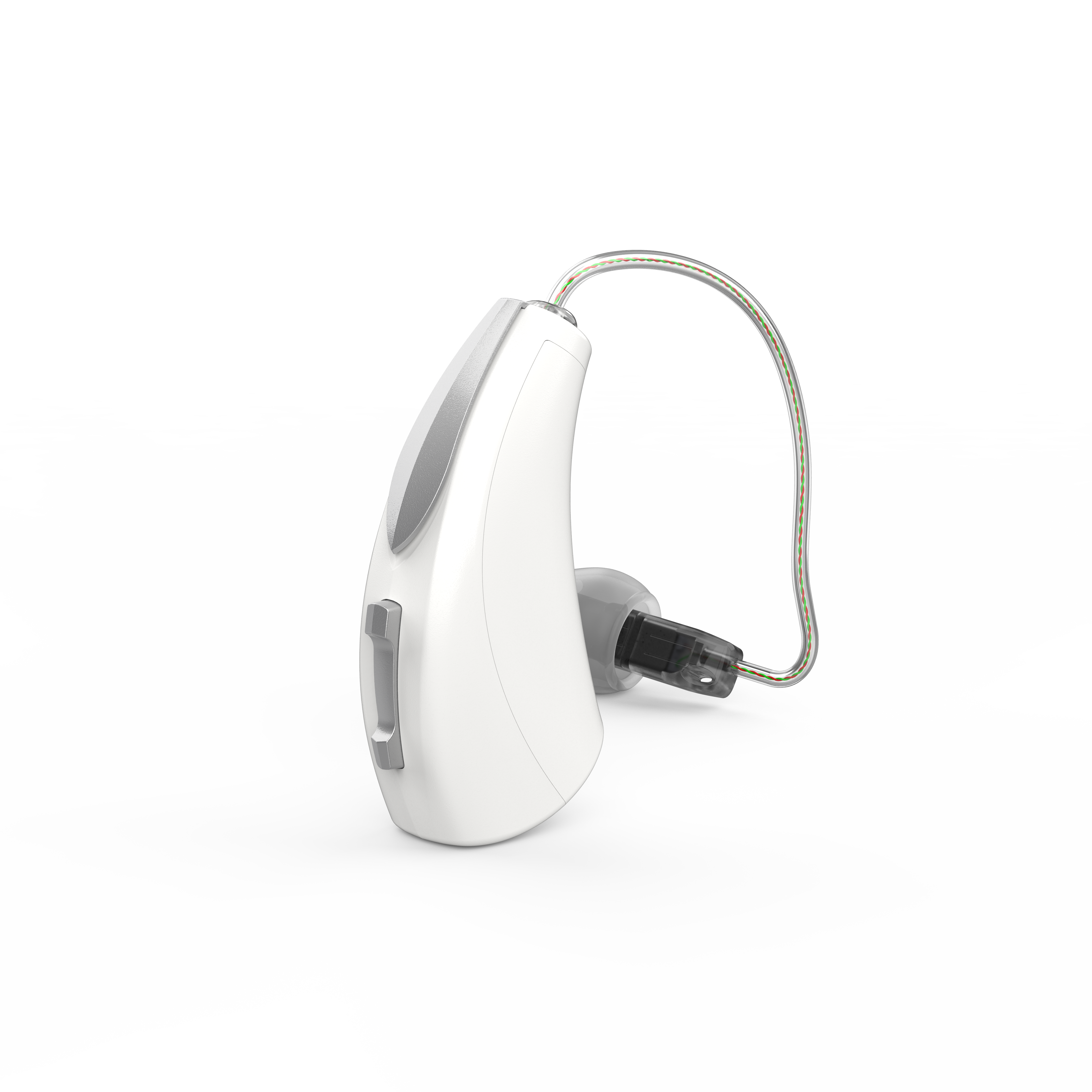
RIC 312_Healthable_FL18_001591_bright white_Paris_3-4 R_lrg

Starkey Livio AI.

Starkey® Hearing Technologies is said to have “reinvented both the hearing experience and the hearing aid” with Livio AI. Livio AI is reportedly “the world’s first” Healthable™ hearing aid to utilize integrated sensors and artificial intelligence and the first device to track physical activity and cognitive health as measured by hearing aid use in social situations, Starkey announced.

The launch also includes a brand-new mobile app—Thrive™ Hearing—and three new wireless accessories, the Starkey Hearing Technologies TV, the Remote, and the Remote Microphone +. With the Remote Micorophone+, Livio AI is also the first hearing aid to feature Amazon® Alexa connectivity.

Hearing aids Keynsham Somerset

“First and foremost, Livio AI is the best performing and best sounding hearing aid we have ever made,” said Starkey Hearing Technologies President Brandon Sawalich. “What makes today a pivotal moment in the hearing industry, is that with Livio AI, we have transformed a single-use device into the world’s first multi-purpose hearing aid, a Healthable with integrated sensors and artificial intelligence. Livio AI is so much more than just a hearing aid, it is a gateway to better health and wellness.”

According to Starkey, the new Hearing Reality™ technology is said to provide an average 50% reduction in noisy environments, significant reduced listening effort, and newly enhanced clarity of speech, while the use of artificial intelligence and integrated sensors enables it to help optimize the hearing experience.

Artificial intelligence and advancements in hearing technology enabled Livio AI to provide the following unique features and benefits, according to Starkey’s announcement:

  • Understand and see the real-time health benefits of using hearing aids
  • Overall health and wellness tracking through the app’s combined brain and body health score (Thrive Wellness Score)
  • Integration of the physical activity data measured by inertial sensors of the hearing aids with Apple Health and Google Fit apps
  • Personalized Control for customizable adjustments to sound and programs
  • Remote programming by users’ hearing professionals to put hearing healthcare in the hands of the users
  • Natural user interface with tap control
  • Unprecedented, natural listening, and speech clarity in the noisiest environments with the new Hearing Reality technology
  • Integrated language translation
  • Dual-radio wireless platform: 2.4GHz radio for streaming of phone calls, music, media, apps, and connecting with various devices including TVs and Amazon Alexa; near-field magnetic induction technology for true ear-to-ear communication and binaural noise reduction
  • Fall detection with inertial sensors integrated within the hearing aids (App support coming soon)

Designed to help users live their healthiest life, Livio AI is available as a RIC 312 and BTE 13 in a variety of colors. In addition to the above features, Livio AI also includes Starkey’s feedback cancellation, high-definition music prescription, Multiflex Tinnitus Technology, and Surface™ NanoShield pioneering water, wax, and moisture repellant system to help protect and ensure durability and dependability.

Ear wax removal Somerset

“Artificial intelligence, coupled with advanced sensing devices, is rapidly changing the world around us,” Starkey Hearing Technologies Chief Technology Officer and Executive Vice President of Engineering Achin Bhowmik said. “We are proud to introduce these transformational technologies into the world of hearing aids to both optimize the users’ hearing experiences and enable them to continuously monitor and improve their overall health besides treating hearing loss, reducing the associated risks of dementia, anxiety, and social isolation.”

The integrated 3D motion sensors inside Livio AI enable the hearing aids to detect movement, track activities, and recognize gestures. The hearing aids communicate with each other and compatible mobile accessories to deliver meaningful, real-time feedback about users’ overall body and cognitive health and fitness.

This technology may allow people to take a proactive and personal approach to treating hearing loss, which has been linked to various health issues including dementia, cognitive decline, anxiety, stress, social isolation, and an increased risk of falling.

Livio AI is reportedly the first device utilizing the ears to help users better understand not only how to improve their overall health and wellness, but also the deep connection between treating hearing loss and reducing health risks. This helps to improve key areas of wellbeing by reconnecting users to the people, places, and activities they love.

Hearing aids Bath Somerset

Livio AI is available in the United States and Canada at this time, with a global rollout to more than 20 countries in 2019. For more information about Livio AI hearing aids, the Thrive mobile app, and new Starkey Hearing Technologies accessories, visit www.starkey.com.

Also see Hearing Review’s follow-up article detailing Starkey’s launch of Livio AI.

Source: Starkey

Watch: Earwax removal using Microsuction

www.ear-wax-removal.co.uk

www.Stephenneal.co.uk

Ear wax removal Somerset

Ear wax removal, Somerset

Ear wax removal Somerset, Bath, Bristol, Wells, Frome, Cheddar, Radstock

Ear wax removal Somerset


Do you live in Somerset?  In need of a hearing test or your hearing aid repaired? Or maybe you need your ear wax removed by a leading ear wax removal centre? Here at the Keynsham hearing centre, Stephen Neal can help with all your hearing needs.

Ear wax removal Somerset

We are experts in ear wax removal and use various techniques. Microsuction is just one way we can get out your hard impacted ear wax and the traditional water irrigation is another.  You can watch our video on Microsuction here.


Tinnitus therapy in Devon

DID YOU KNOW?

1 in 10 adults in the UK suffer with tinnitus.
Many of those suffering are not offered any help, and are simply told to live with it.
Tinnitus can almost always be improved for the client.

How can we help with Tinnitus?

We firstly meet with you and sit and discuss your full hearing history, work out what triggered the problem, we then talk to you about evaluating the degree of tinnitus and how it is impacting on your life, where your issues are. We normally examine the ears with our video otoscope and show you the results on our flat screen. We then carry out a puretone audiogram to assess how good your hearing is, or if there are any areas of damage (such as those caused by noise for example).

We then sit down and consult with you, armed with all the information, and work out a care plan for you, using the tools available to us as explained above.

Please call Anita or Stephen for an appointment and we will fit you in as soon as possible.  We are based in Keynsham North East Somerset but cover Bristol, Bath, Frome, Cheddar, Radstock and beyond. If you live in Devon  you can always try the Honiton Hearing Centre

Depression and Hearing loss

Depression and Hearing Loss

Stephen Neal the ear wax removal specialist in Somerset. News


Depression and its connection to hearing loss seems pretty logical and self-evident, especially if you’re a dispensing professional who experiences daily the difference that amplification can make in a person’s life. In fact, many clinicians find themselves explaining the connection as follows: a person’s hearing loss and related communication problems can lead to gaffes and social faux pas; leading to embarrassment, anxiety, and loss of self-esteem; leading to gradual withdrawal from social situations and physical activity; leading to social isolation and loneliness; and eventually bringing them down the path to depression.

Karl Strom_photo

While this is probably an adequate description for some cases, a recent webinar1 by Victor Bray, PhD, associate professor and former dean of Salus University’s Osborne College of Audiology, points to more recent scientific literature that paints a far more complex picture of hearing loss and its association with depression—one we all should be aware of. The utility of hearing aids, cochlear implants, and assistive devices is made no less important by this complexity; however, it’s vital to understand who might be most at risk for depression in your patient population, how best to administer simple screening tools (ie, the PHQ-2 or PHQ-9), and why it’s important to refer patients to a medical doctor or psychologist, when indicated. 

Depression, also known as major depressive disorder (MDD), is present in 5-10% of the general population (up to 40% in some groups), and is a serious medical illness that negatively affects feelings, thoughts, and actions. The primary risk factors for depression are co-morbid chronic medical conditions (hearing loss is a pervasive chronic condition, especially among seniors) and recent stressful events. And, as with cognitive decline and dementia—the subject of my editorial last month—the stakes in treating depression are high for society and healthcare professionals. As Hsu and colleagues (2016) pointed out:

Depression is a common mental disorder, which affects 350 million people in the world. Unipolar depressive disorders and adult-onset hearing loss, the most common neuropsychiatric conditions, and sense organ disorder, respectively, are the first and second leading nonfatal causes of year loss due to disability among adults in high-income countries.2

Several of the studies reviewed by Dr Bray tend to suggest that the odds ratio for acquiring depression increases by a factor of about two if you have untreated hearing loss. However, a lot of the studies also show that a variety of chronic illnesses—ranging from cirrhosis to diabetes mellitus—can be associated with depression, so there could be some underlying neurophysiological common cause in hearing loss and other health problems that hasn’t been discovered yet. Dr Bray also looks at some very intriguing research about how dual-sensory loss (ie, hearing and vision loss) and sudden sensorineural hearing loss (particularly among young people) can greatly increase the risk for depression, as well as studies that are shedding light on how treated hearing loss might positively affect those suffering from anxiety, loneliness, and depression. 

As Dr Bray explains, the linkage of hearing loss to depression could come from both a social (downstream) effect, as described at the beginning of this article, and a biological/neurological (upstream) effect, as proposed in a model by Rutherford et al.3 If that were the case, an effective treatment plan could involve therapy and/or medication from a psychologist, in coordination with a hearing device and/or auditory and cognitive retraining from a hearing care professional. 

Dr Bray’s webinar was sponsored by Hamilton CapTel, and the company also sponsored an exceptionally interesting and well-viewed webinar last year about hearing loss and associated co-morbidities (including depression) by Harvey Abrams, PhD.4,5 When viewed together, they put an exclamation point on the fact that hearing loss isn’t just about the ears, it’s about health, the brain, quality of life, healthy aging, and so much more—while underscoring the crucial role of the hearing care professional in general healthcare.

To see Dr Bray’s webinar, visit . 

Citation for this article: Strom KE. Depression and hearing loss. Hearing Review. 2018;25(8):6.

References

1. Bray V. Depression, hearing loss, and treatment with hearing aids [Webinar]. July 13, 2018. Available at: http://www.hearingreview.com/2018/07/new-webinar-depression-hearing-loss-treatment-hearing-aids

2. Hsu W-T, Hsu C-C, Wen M-H, et al. Increased risk of depression in patients with acquired sensory hearing loss: A 12-year follow-up study. Medicine. 2016;95(44):e5312.

3. Rutherford BR, Brewster K, Golub JS, Kim AH, Roose SP. Sensation and psychiatry: Linking age-related hearing loss to late-life depression and cognitive decline. Am J Psychiatry. 2017;175(3):215-224.

4. Abrams H. Hearing loss and associated comorbidities: What do we know [Webinar]? May 31, 2017. Available at: http://www.hearingreview.com/2017/05/new-webinar-hearing-loss-associated-comorbidities-know/

5. Abrams H. Hearing loss and associated comorbidities: What do we know? Hearing Review. 2017;24(12):32-35. Available at: http://www.hearingreview.com/2017/11/hearing-loss-associated-comorbidities-know/

Earwax removal in Chippenham

Earwax removal in Chippenham

If you are not as close to Keynsham as to Devizes we would recommend our sister company

Wiltshire ear clinic 

Stephen Neal offers earwax removal in Chippenham and all of Wiltshire and Somerset. Based at the Keynsham hearing centre Stephen Neal is the earwax removal specialist for the West country.  He offers out of hours appointments to suit your busy life style and working commitments.


Stephen Neal News:


GN Hearing Launches Rechargeable Battery Option for ReSound Linx 3D

image

GN Hearing—the medical device division of the GN Group—has introduced a rechargeable battery option for the ReSound LiNX 3D hearing aids, the company announced. The rechargeable battery solution, available in North America and other major markets from September 1, gives ReSound users more options to choose from. The rechargeable option is also available for Beltone Trust in North America, and from September 1, this will be extended to other major markets.

The rechargeable battery option is made available based on an understanding of user expectations as well as a commitment to empower users to choose the solution best suited for their needs and preferences. The announcement follows GN Hearing’s release of the innovative 5thgeneration 2.4 GHz wireless technology ReSound LiNX 3D hearing aids, which offer unmatched sound quality, an enhanced fitting experience, and comprehensive remote fine-turning, giving users a new hearing care experience, GN Hearing said.

According to the company, ReSound LiNX 3D rechargeable has all of the benefits of ReSound LiNX 3D, now combined with the all-day power of a rechargeable battery. With overnight charging, users will experience the advantage of all-day power, without the need to change batteries.

ReSound Linx 3D rechargeable accessory.

ReSound LiNX 3D rechargeable accessory.

“GN Hearing is pleased to provide yet another option for hearing aid users, built on our commitment to providing unmatched sound quality and user experience,” said Anders Hedegaard, president & CEO, GN Hearing. “This new rechargeable battery solution allows hearing care professionals to offer an additional option to their clients, and gives hearing aids users even more choices to tailor their hearing experience to their unique preferences,” he added.

Source: GN Hearing 

Image: GN Hearing 

http://www.keynshamhearing.co.uk

Visual Cues May Help Amplify Sound, earwax can be the cause.

Visual Cues May Help Amplify Sound, University College London Researchers Find

Published on 

Ear wax removal, somerset, Wiltshire, Bath, Bristol, Norton St Philip, Glastonbury

Ear wax removal and hearing aids, Bath, Bristol, Frome, Glastonbury

Looking at someone’s lips is good for listening in noisy environments because it helps our brains amplify the sounds we’re hearing in time with what we’re seeing, finds a new University College London (UCL)-led study, the school announced on its website.

The researchers say their findings, published in Neuron, could be relevant to people with hearing aids or cochlear implants, as they tend to struggle hearing conversations in noisy places like a pub or restaurant.

The researchers found that visual information is integrated with auditory information at an earlier, more basic level than previously believed, independent of any conscious or attention-driven processes. When information from the eyes and ears is temporally coherent, the auditory cortex —the part of the brain responsible for interpreting what we hear—boosts the relevant sounds that tie in with what we’re looking at.

“While the auditory cortex is focused on processing sounds, roughly a quarter of its neurons respond to light—we helped discover that a decade ago, and we’ve been trying to figure out why that’s the case ever since,” said the study’s lead author, Dr Jennifer Bizley, UCL Ear Institute.

In a 2015 study, she and her team found that people can pick apart two different sounds more easily if the one they’re trying to focus on happens in time with a visual cue. For this latest study, the researchers presented the same auditory and visual stimuli to ferrets while recording their neural activity. When one of the auditory streams changed in amplitude in conjunction with changes in luminance of the visual stimulus, more of the neurons in the auditory cortex reacted to that sound.

“Looking at someone when they’re speaking doesn’t just help us hear because of our ability to recognize lip movements—we’ve shown it’s beneficial at a lower level than that, as the timing of the movements aligned with the timing of the sounds tells our auditory neurons which sounds to represent more strongly. If you’re trying to pick someone’s voice out of background noise, that could be really helpful,” said Bizley.

The researchers say their findings could help develop training strategies for people with hearing loss, as they have had early success in helping people tap into their brain’s ability to link up sound and sight. The findings could also help hearing aid and cochlear implant manufacturers develop smarter ways to amplify sound by linking it to the person’s gaze direction.

The paper adds to evidence that people who are having trouble hearing should get their eyes tested as well.

The study was led by Bizley and PhD student Huriye Atilgan, UCL Ear Institute, alongside researchers from UCL, the University of Rochester, and the University of Washington, and was funded by Wellcome, the Royal Society; the Biotechnology and Biological Sciences Research Council (BBSRC); Action on Hearing Loss; the National Institutes of Health (NIH), and the Hearing Health Foundation.

Original Paper: Atilgan H, Town SM, Wood KC, et al. Integration of visual information in auditory cortex promotes auditory scene analysis through multisensory binding. Neuron. 2018;97(3)[February]:640–655.e4. doi.org/10.1016/j.neuron.2017.12.03

Source: University College London, Neuron

GN Store Nord Develops Device to Protect Soldiers’ Hearing

GN Store Nord Develops Device to Protect Soldiers’ Hearing

Published on 

soldier aims gun

GN Store Nord has announced a “first of its kind, fully fledged hearing protection solution, enabling defense and security forces to hear more, do more, and be more.” With this advanced tactical hearing-protection solution, GN reports that it is leveraging unique leading competencies within intelligent audio solutions in both hearing aids and headsets to create an unparalleled noise management solution. The product will be manufactured at its Bloomington, Minn, facility where ReSound is also located.

The global market for military communication systems is estimated to be about $630 million, and features competitors such as Peltor (3M), INVISIO, Silynx, Racal Acoustics, and MSA Sordin, according to long-time hearing industry analyst Niels Granholm-Leth of Carnegie Investment Bank in Copenhagen.  GN has embarked on several projects in its GN Stratcom organization, which is currently part of GN Hearing, although the company could eventually establish it as a stand-alone division alongside its Hearing (ReSound, Beltone, and Interton) and Headset divisions (Jabra).

The new patented hearing protection solution is designed specifically for defense and security forces. GN says the solution offers the user a communication headset which is designed to be comfortable, highly durable, and protects the user against high volume noise. At the same time, by leveraging GN’s expertise within situational awareness, the solution allows its user to clearly identify important sound in 360°.

Anders Hedegaard

Anders Hedegaard

“The GN Group encompasses consumer, professional, and medical grade hearing technology under the same roof,” says CEO of GN Hearing, Anders Hedegaard. “This unique platform makes it possible to expand GN’s business into adjacent opportunities within the sound space. With our user-centric approach we aim to be the leader in intelligent audio solutions to transform lives through the power of sound.”

GN will be starting to build a small, swift group related to this new business opportunity. This year, GN will participate in military tenders in the United States and with other NATO-countries. The new product line will, under the name GN FalCom, include:

  • Comfort. Designed for optimal physical comfort allowing for multiple hours of use in extreme combat situations;
  • Clarity. Enables users to localize sounds all around them without the need to remove the earpiece. To maintain high quality communications at all times, GN FalCom will integrate seamlessly with military radio technology, and
  • Protection. Allows users to stay connected while benefitting from noise protection. For example, users will experience the highest level of safety without blocking out wanted sounds.

The  hearing protection solution builds on GN’s expertise in sound processing from both GN Hearing and GN Audio—and across R&D teams in the United States and Denmark. It is a successful result of corporate level investments made through GN’s Strategy Committee guided initiatives to explore opportunities outside of, but related to, GN’s existing business areas. According to the company, the hearing protection solution will be manufactured at GN’s existing production facilities in Bloomington, Minn, and will not impact GN’s financial guidance for 2018.