Posts

Ear wax removal Somerset

Ear wax removal, Somerset

Ear wax removal Somerset, Bath, Bristol, Wells, Frome, Cheddar, Radstock

Ear wax removal Somerset


Do you live in Somerset?  In need of a hearing test or your hearing aid repaired? Or maybe you need your ear wax removed by a leading ear wax removal centre? Here at the Keynsham hearing centre, Stephen Neal can help with all your hearing needs.

Ear wax removal Somerset

We are experts in ear wax removal and use various techniques. Microsuction is just one way we can get out your hard impacted ear wax and the traditional water irrigation is another.  You can watch our video on Microsuction here.


Tinnitus therapy in Devon

DID YOU KNOW?

1 in 10 adults in the UK suffer with tinnitus.
Many of those suffering are not offered any help, and are simply told to live with it.
Tinnitus can almost always be improved for the client.

How can we help with Tinnitus?

We firstly meet with you and sit and discuss your full hearing history, work out what triggered the problem, we then talk to you about evaluating the degree of tinnitus and how it is impacting on your life, where your issues are. We normally examine the ears with our video otoscope and show you the results on our flat screen. We then carry out a puretone audiogram to assess how good your hearing is, or if there are any areas of damage (such as those caused by noise for example).

We then sit down and consult with you, armed with all the information, and work out a care plan for you, using the tools available to us as explained above.

Please call Anita or Stephen for an appointment and we will fit you in as soon as possible.  We are based in Keynsham North East Somerset but cover Bristol, Bath, Frome, Cheddar, Radstock and beyond. If you live in Devon  you can always try the Honiton Hearing Centre

Hearing aid batteries for sale Somerset

Hearing aid batteries

How long should the hearing aid battery last after a full charge, and how does Bluetooth affect this?

Hearing aid batteries are available at the Keynsham base of Stephen Neal. Rechargeable and normal batteries of all makes are available to buy over the counter or we can send them by post.

Stephen Neal is a premier independent audiologist that specialises in ear wax removal for the Somerset and Wiltshire areas which include Bath, Bristol, Radstock, Midsomer Norton, Cheddar, Shepton Mallet, Frome, Devizes, Chippenham, Corsham, Yate, Iron Acton.


Q & As: This Week’s Top Selections

Q: How long should the battery last after a full charge?  How much does Bluetooth activity affect this? —Brent Spehar

A: This is a great and very important question.  Battery life is dependent on several factors including the amount of capacity of the battery, how fast the hearing aid drains the current, and the wear behaviours and habits of the user.

Much like how a car’s mileage range depends on its gas tank, the driving conditions, and the owner’s driving habits, a hearing aid’s battery life depends on the capacity of the battery, the wearer’s listening environments, and use of the various hearing aid functions, including audio streaming.

Hearing aid batteries Frome

I like to use the example of an automobile.  How many gallons of gas does the fuel tank hold or, for hearing aid batteries, how many mAh capacity is in the battery?  How many miles per gallon does the car use or how many mA does the battery drain both when streaming and not streaming?  And, finally, is the car driven on the highway or in the city and is the air conditioner on or off?  Or, for hearing aids, how many hours per day does the hearing aid stream?  Does the hearing aid use 2.4 GHz streaming or does it is use NFMI with an intermediate device that has its own battery?  And, what features are turned on or off on the hearing aid?

Please note a factor we have learned in our electronics’ lab.  Not all hearing aids are the same.  Some 2.4 GHz products have current drains averaging 4.8-5.0 mA when streaming while other 2.4 GHz products using lower power Bluetooth will drain the battery at 3.0-3.4 mA while streaming.  Some 2.4 GHz products when not streaming may have battery drains of 1.8-2.0 mA, while some of the newer products with bilateral beam-forming may drain the battery at 2.3-2.5 mA when not streaming.

The key is to know your products and know your patient’s listening habits.  This is critical to good counseling.

Q: Is the life of the hearing aid circuit reduced as a result of using the rechargeable system? It did happen when [a previous model of hearing aid] were rechargeable. 

A: The ZPower Rechargeable System has been thoroughly evaluated by the hearing aid manufacturers and there is no indication that the system will have a negative effect on the life of the hearing aid circuit. The ZPower silver-zinc battery is designed to mimic the performance of traditional zinc-air batteries and is transparent to the DSP of the hearing aids. Extensive studies of hearing aids using the ZPower System also show the system including the ZPower silver-zinc batteries have no impact on the electrophysiologic performance of the hearing aids. Therefore, the ZPower System will not have a negative impact on the hearing aid circuitry or performance.

Hearing aid batteries in Bath, Somerset

Previous Q & A’s

Q: What’s a realistic time frame for a rechargeable hearing aid battery to last?

A: Rechargeable silver-zinc batteries last about a year. They are removeable and therefore easily replaced. It is recommended that rechargeable silver-zinc batteries are replaced once a year by a hearing care professional.

Li-ion batteries are sealed within the hearing aid, and are usually removable only by the hearing aid manufacturer. They last approximately 4 to 5 years.

Watch our informative testimonial here


Q: What would happen if my patient accidentally places their hearing aids in the charger while they have zinc air batteries in them?

A: When the hearing aids are put on the charger, the charger will check to see what type of battery is in the hearing aid.  If the charger detects a disposable zinc air battery, the lights on the charger will turn red.  If the charger detects a silver-zinc battery, the lights on the charger will start blinking green; once the battery is fully charged, the lights will turn solid green.

Q: Can my patients overcharge a ZPower battery if they leave it in the charger for too long?

A: The batteries will not overcharge if left in the charger.  It is a best practice to put the hearing aids back on the charger when the hearing aids are not being worn during the day.  This will keep the hearing aids turned off and the batteries charged.  For long-term storage, if batteries will not be used for over 2 weeks, the rechargeable batteries should be removed from the hearing aids and stored in a location where they will not touch each other or other metal objects.

Q: What happens when the silver-zinc rechargeable battery is getting low on power?

A: The hearing aid wearer will hear the low battery warning.  Once the low-battery warning occurs or once a hearing aid shuts off due to a low battery condition, the battery door should not be opened and closed to reboot the hearing aid. Rebooting after the low battery warning can override the smart circuitry in the battery door into believing it has a traditional disposable battery installed and, although the hearing aid will continue to work for a short period, it may over-discharge the battery. If a low-battery warning from the hearing aids is received, the hearing aids should be placed in the charging base for charging or the batteries should be replaced with non-rechargeable batteries.  The rechargeable batteries should not be stored with metal objects such as keys or coins.

Q: How often should the batteries be charged?

A: The batteries should be fully charged every night. Once the hearing aids are finished charging, the indicator lights turn from blinking green to solid green. A full charge may take up to 7 hours—the charge time varies based on how much the battery was depleted during the day. Do not try to extend battery life by charging every other day, as this increases the chances of depleting the battery. A fully depleted battery will take longer to charge and may not fully charge in time for next use.

Q: What happens if the hearing aid wearer forgets to charge the battery at night?

A: They can use a disposable zinc-air battery until it is convenient to re-charge the batteries—ideally the rechargeable batteries should be charged the next night.  The rechargeable silver-zinc batteries are a gold color, so they will not be mixed up with zinc-air disposable batteries.  The rechargeable batteries should be stored in a safe place and should not be stored with metal objects such as keys or coins.

Hearing aid batteries available Devizes

If you live in the south of Somerset you maybe interested in visiting the Honiton Hearing centre


Ear wax removal in Wells Somerset

Ear wax removal in Wells Somerset

Stephen Neal is the premier ear wax removal Specialist for the Bath, Bristol, Wells and Frome areas of the south west.

Using the very latest ear wax removal technique such as Microsuction, Stephen Neal can have your blocked ears unlocked from wax in no time. Based In Keynsham, you can book an appointment now.

To see how Microsuction works click here. 


Stephen Neal blog news from around the world.

GN Hearing and Google Partner to Enable Direct Streaming from Android Devices to Hearing Aids

GN Hearing logo

GN Hearing and Google have announced a new technology partnership that will reportedly make GN Hearing the first manufacturer to enable a full spectrum of direct audio streaming from Android devices to hearing aids. In a future Android release, direct streaming may also become available for ReSound LiNX Quattro™ and Beltone Amaze™ hearing aid users.

“According to the World Health Organization, around 466 million peopleworldwide have disabling hearing loss,” said Seang Chau, vice president of engineering at Google. “This number is expected to increase to 900 million people by the year 2050. Google is working with GN Hearing to create a new open specification for hearing aid streaming support on future versions of Android devices.”

According to the joint announcement, users will be able to connect and monitor their hearing aids without using an intermediate device for streaming from Android phones and tablets to their hearing aids.

Watch a video testimonial here of Stephen Neals work

“We are honored to partner with Google for this important development, which will enable direct streaming for even more hearing aid users through their Android devices,” said Anders Hedegaard, CEO, GN Hearing. “This is another example of how GN Hearing relentlessly strives to drive innovation forward by developing new products and solutions with unique benefits for hearing aid users and audiologists around the world.”

Google has published the new hearing aid specification for Android smartphones available here: Audio Streaming for Hearing Aids (ASHA) on Bluetooth Low Energy Connection-Oriented Channels.


Source: GN Hearing, Google

Heading a football could create Balance issues

Heading a Football May Be Linked to Increase in Balance Problems

Stephen Neal News:

Somerset. WSM, Cheddar, Radstock, Keynsham, Warmley, Bath, Bristol

Ear-wax removal in Somerset. WSM, Cheddar, Radstock, Keynsham

Soccer players who head the ball more often may be more likely to have balance problems than players who do not head the ball as often, according to a preliminary study released today that will be presented at the American Academy of Neurology’s (AAN) Sports’ Concussion Conference in Indianapolis July 20 to 22, 2018, the AAN announced on its website.

“Soccer headers are repetitive subconcussive head impacts that may be associated with problems with thinking and memory skills and structural changes in the white matter of the brain,” said study author John Jeka, PhD, of the University of Delaware in Newark, Del. “But the effect of headers on balance control has not been studied.”

For the study, 20 soccer players recruited from the community in Newark took a balance test where they walked along a foam walkway with their eyes closed under two conditions: with galvanic vestibular stimulation (GVS) and without GVS. For GVS, electrodes placed behind each ear stimulate the nerves that send messages from the balance system in the inner ear to the brain. So the stimulator can make you feel like you are moving when you are not. In this case, it made participants feel like they were falling sideways.

The soccer players, who had an average age of 22, also completed questionnaires about how many times they had headed the ball during the past year. The number of headers over a year for each participant ranged from 16 to 2,100, with an average of 451 headers. Those numbers were calculated by asking participants for the average number of headers during a practice and game, the average number of practices and games per week, and the average number of months per year that the player participated.

The study found that the players with the largest number of headers had the largest balance responses to GVS in both foot placement and hip adduction during the walking test, which indicated that they had vestibular processing and balance recovery problems. Researchers found for every 500 headers, foot placement response increased about 9 millimeters and hip adduction response increased about 0.2 degrees.

“Soccer players must have good balance to play the game well, yet our research suggests that headers may be undermining balance, which is key to all movement, and yet another problem now linked to headers,” said study author Fernando V. Santos, PT, of the University of Delaware. “It is important that additional research be done to look more closely at this possible link with balance and to confirm our findings in larger groups of people.”

A limitation of the study was that participants relied on memory when reporting how many times they headed the ball. The study was supported by the National Institutes of Health (NIH).

Learn more about concussion at www.BrainandLife.org, the American Academy of Neurology’s free patient and caregiver magazine and website focused on the intersection of neurologic disease and brain health. Follow Brain & Life on FacebookTwitter, and Instagram.

To learn more about the AAN’s Sports Concussion Guideline and access resources, visit https://www.aan.com/concussion.

Original Paper: Santos FV, Caccese JB, Gongora M, et al. Greater exposure to repetitive subconcussive head impacts is associated with vestibular dysfunction and balance impairments during walking. Paper presented at: 2018 AAN Sports Concussion Conference; Indianapolis, IN. https://www.aan.com/PressRoom/Home/GetDigitalAsset/12757

Source: AAN

Image: © Macleoddesigns Dreamstime.com

http://www.keynshamhearing.co.uk

New Study Examines Inequality in Treatment for Hearing Loss

New Study Examines Inequality in Treatment for Hearing Loss

Stephen Neal News:

Stephen Neal is an independent ear wax removal specialist.

Hearing loss seems like one of the great equalizers of old age, striking people of all kinds as their ears gradually lose the ability to pick out sounds or hear certain pitches.

But a new national study reveals major gaps in whether Americans over age 55 get help for their hearing loss—gaps that vary greatly by age, race, education, and income, according to an article published on the Michigan Medicine website.

In all, just over a third of older adults who say they have hearing loss are using a hearing aid to correct it, the study finds. But those who are non-Hispanic white, college educated, or have incomes in the top 25% were about twice as likely as those of other races, education levels, or income ranges to have a hearing aid.

The cost of hearing aids is most to blame, say the researchers from the University of Michigan who published the study in The Gerontologist. They presented it this week at the annual research meeting of the AcademyHealth professional society for health care researchers.

Hearing aids can cost thousands of dollars out of a patient’s pocket because most health insurance programs, including Medicare, don’t cover them.

In fact, the study finds that the only factor that leveled the playing field for hearing aid use was having insurance through the Department of Veterans Affairs, which covers hearing aids in many cases. Hearing-impaired veterans ages 55 to 64 were more than twice as likely as their nonveteran peers to use a hearing aid, even after the researchers corrected for other differences. The gap between veterans and nonveterans was also significant for those over 65.

But the detailed interviews conducted for the study also show that personal concerns about hearing aid use, and lack of engagement with health providers, play a role.

“Hearing aids are not easy for many to obtain due to their costs,” says Michael McKee, MD, MPH, the U-M family medicine physician and assistant professor who led the analysis.

Michael McKee, MD, MPH

Michael McKee, MD, MPH

“However, there are a number of additional issues that place at-risk groups at an even larger disadvantage to achieving good hearing health. Many of these issues are beyond the financial aspects, including racial/ethnicity and sociocultural elements, for instance stigma and vanity.”

National survey and local interviews

McKee, who uses a cochlear implant to overcome his own hearing loss, worked on the study with Helen Levy, PhD, a health economist and professor at the U-M Institute for Social Research, and other colleagues. The authors are members of the U-M Institute for Healthcare Policy and Innovation.

They used survey data from the nationally representative Health and Retirement Study, which is based on interviews conducted by the Institute for Social Research with funding from the National Institutes of Health.

The analysis included data from more than 35,500 people nationwide over age 55 who said they had hearing loss. In addition, McKee and colleagues conducted in-depth interviews with 21 other older adults with hearing loss in the communities surrounding the university.

The authors conclude that the Centers for Medicare & Medicaid Servicesshould consider covering hearing aids for Medicare participants and those in Medicaid plans for lower-income adults of any age. Some state Medicaid plans do cover hearing aids, but it is not required.

“Many people may not realize that Medicare does not cover hearing aids,” says Levy. “But it doesn’t, so cost can be a significant obstacle preventing older adults with hearing loss from getting the help that they need.”

More findings from the study:

  • The percentage of older adults with hearing loss who used a hearing aid rose with age, from about 15% of those in their late 50’s to more than 57% of those in their late 80s.
  • Forty percent of non-Hispanic white adults with hearing loss used a hearing aid, compared with 18.4% of non-Hispanic black and 21.1% of Hispanic adults with hearing loss.
  • Nearly 46% of hearing-impaired older adults who had gone to college reported that they used a hearing aid, compared with just under 29% of those who hadn’t graduated from high school.
  • Nearly half of those with incomes in the top 25% wore a hearing aid, compared with about one-quarter of those in the bottom 25%.
  • There were no significant differences in hearing aid use based on the size of the community where the person lived, nor their level of health literacy as measured on a standard test.
  • Interviews showed that cost, lack of insurance coverage (or knowledge about insurance coverage), vanity, and stigma were common reasons for not using hearing aids. Participants also cited a lack of attention to hearing loss by their primary care provider and worries about finding an audiologist they could trust.
  • Many interview participants who used a hearing aid mentioned efforts that hearing-related professionals made to connect them to discounts and insurance programs.

More about hearing loss

Estimates of hearing loss incidence place it at 29% of people in their 50s, 45% of those in their 60s, 68% of those in their 70s, and 89% of those in their 80s.

Previous studies have shown that untreated hearing loss reduces older adults’ ability to carry out everyday tasks, reduces their quality of life, and is linked to social isolation, lower income, reduced cognitive function, and poorer physical and psychological health.

A recent study led by McKee’s colleague Elham Mahmoudi, PhD, found that having a hearing aid was associated with a lower chance of being hospitalized or visiting an emergency room in the past year. That study focused on people over 65 who had severe hearing loss, and it used data from a federal database.

McKee leads the Health Info Lab, which is researching health information use and literacy among deaf and hard-of-hearing individuals.

This article is copyrighted by the University of Michigan and used with permission.

Original Paper: McKee MM, Choi H, Wilson S, DeJonckheere MJ, Zazove P, Levy H. Determinants of hearing aid use among older Americans with hearing loss. The Gerontologist. 2018. Available at: https://academic.oup.com/gerontologist/advance-article-abstract/doi/10.1093/geront/gny051/5000029?redirectedFrom=fulltext

Source: Michigan Medicine/University of Michigan, The Gerontologist

Image: University of Michigan

http://www.keynshamhearing.co.uk

Earwax removal in Chippenham

Earwax removal in Chippenham

If you are not as close to Keynsham as to Devizes we would recommend our sister company

Wiltshire ear clinic 

Stephen Neal offers earwax removal in Chippenham and all of Wiltshire and Somerset. Based at the Keynsham hearing centre Stephen Neal is the earwax removal specialist for the West country.  He offers out of hours appointments to suit your busy life style and working commitments.


Stephen Neal News:


GN Hearing Launches Rechargeable Battery Option for ReSound Linx 3D

image

GN Hearing—the medical device division of the GN Group—has introduced a rechargeable battery option for the ReSound LiNX 3D hearing aids, the company announced. The rechargeable battery solution, available in North America and other major markets from September 1, gives ReSound users more options to choose from. The rechargeable option is also available for Beltone Trust in North America, and from September 1, this will be extended to other major markets.

The rechargeable battery option is made available based on an understanding of user expectations as well as a commitment to empower users to choose the solution best suited for their needs and preferences. The announcement follows GN Hearing’s release of the innovative 5thgeneration 2.4 GHz wireless technology ReSound LiNX 3D hearing aids, which offer unmatched sound quality, an enhanced fitting experience, and comprehensive remote fine-turning, giving users a new hearing care experience, GN Hearing said.

According to the company, ReSound LiNX 3D rechargeable has all of the benefits of ReSound LiNX 3D, now combined with the all-day power of a rechargeable battery. With overnight charging, users will experience the advantage of all-day power, without the need to change batteries.

ReSound Linx 3D rechargeable accessory.

ReSound LiNX 3D rechargeable accessory.

“GN Hearing is pleased to provide yet another option for hearing aid users, built on our commitment to providing unmatched sound quality and user experience,” said Anders Hedegaard, president & CEO, GN Hearing. “This new rechargeable battery solution allows hearing care professionals to offer an additional option to their clients, and gives hearing aids users even more choices to tailor their hearing experience to their unique preferences,” he added.

Source: GN Hearing 

Image: GN Hearing 

http://www.keynshamhearing.co.uk

Best independent earwax removal specialist in Somerset

Best independent earwax removal specialist in Somerset


Stephen Neal is regarded as the best independent earwax removal specialist in the Bath, Bristol, Somerset and Wiltshire areas. Based in Keynsham he offers out of hours appointments.


Stephen Neal, hearing news:


Though public transportation is thought to be better for the environment in that it reduces greenhouse gas emissions, saves energy, and improves air quality, according to the Federal Transit Administration, there may be a negative effect on your personal health.

good hearing helps job performance

According to a recent Canadian study, commuters traveling during peak hours were exposed to maximum noise levels. A summary of the study’s results, published on the Hear-it AISBL—a nonprofit organization that provides information on hearing loss—website, show the results of the study, which was published in the Journal of Otolaryngology—Head & Neck Surgery. In this article, we’ll share the highlights, edited and adapted from the Hear-it website.

COMMUTING STYLES

Researchers looked at two different commuting situations among Toronto residents: people waiting for a streetcar/bus as compared to people walking/biking to a subway. Bikers were exposed to louder noise than those walking or driving a vehicle. Noise levels were higher for those waiting on a subway platform as compared to those in the subway car. And, finally, research showed that those waiting at bus stops were exposed to the loudest noise of all.

KPIs on your business dashboard

PEAK NOISE

Though commuters often only experienced short and intense bursts of impulse noise exceeding the 114 dBA limit recommended by the EPA, researchers concluded this can be just as harmful as prolonged noise exposure. Up to 20% of the peak mean noise measurementsexceeded 114 dBA, and up to 85% of measurements at bus stops were higher than 120 dBA, according to the study. Researchers were concerned that prolonged exposure could lead to noise-induced hearing loss.


https://ear-wax-removal.co.uk

Earwax removal, Wiltshire

Earwax removal, Wiltshire

If you are not as close to Keynsham as to Devizes we would recommend our sister company

Wiltshire ear clinic 

Stephen Neal the earwax removal expert covering Somerset and Wiltshire

If you are in need of earwax removal then look no further than Stephen Neal the earwax removal specialist. Based at his Keynsham practice he covers from Bath & Bristol, to further afield such as Chippenham, Corsham, Devizes and beyond. For the very latest gentle Microsuction technique to the traditional water irrigation, Stephen Neal can help you keep your ears clear from ear wax.  https://stephenneal.co.uk/microsuction-wax-removal/

Along with earwax removal Stephen Neal is a fully qualified top audiologist and dispenses the very latest digital hearing aids that will work with all types of mobile phones including the iPhone X.


Stephen Neal news update:


Researchers Identify New Type of Vertigo, According to Study Published in ‘Neurology’

Published on 

http://www.dreamstime.com/royalty-free-stock-photos-headshot-senior-man-vertigo-suffering-dizziness-elderly-male-patient-isolated-light-blue-background-image52676798

Neurologists have identified a new type of vertigo with no known cause, according to a study published in the May 23, 2018 online issue of Neurology, the medical journal of the American Academy of Neurology(AAN), the AAN announced on its website.

With vertigo, people have episodes of dizziness that can last from minutes to days. Vertigo can be caused by serious conditions, such as tumors, or conditions that are fairly benign, such the inner ear disorder Meniere’s disease. But for some people, no cause can be found.

In this new study, neurologists have identified a new type of vertigo where treatment may be effective.

“These conditions can be difficult to diagnose and quite debilitating for people, so it’s exciting to be able to discover this new diagnosis of a condition that may respond to treatment,” said study author Ji-Soo Kim, MD, PhD, of Seoul National University in Seongnam, South Korea.

To diagnose this new condition, the person sits in a dark room and the examiner moves the patient’s head forward and then the head is shaken horizontally for about 15 seconds. Then the patient opens his or her eyes and a video recording is taken of eye movements. The neurologists discovered that after the test, people with this new condition had eye movements called nystagmus that lasted longer than for other people. The new condition is called recurrent spontaneous vertigo with head-shaking nystagmus.

Among 338 people with vertigo with no known cause, 35 had this new condition and were included in the study. The participants had attacks of vertigo ranging from two or three times a week to once a year. They also experienced nausea or vomiting, headaches, and intolerance of head motions during the attacks.

The participants were compared to 35 people with other conditions that can cause vertigo, such Meniere’s disease, vestibular migraine, and vestibular neuritis. The test measured the time constant, or the time that represents the speed with which the reflexive eye movements can respond to change. For those with the new condition, the time constant during the primary phase of the nystagmus was 12 seconds, while it was six seconds for those with Meniere’s disease and five seconds for those with vestibular neuritis and vestibular migraine.

The neurologists also found that people with the new type of vertigo were more likely to have severe motion sickness than those with other types of vertigo.

A total of 20 of the 35 people with the new type of vertigo who had frequent attacks and severe symptoms were given preventive medication. About one-third of those had partial or complete recovery with the new medication. During the long-term follow-up of an average of 12 years after the first symptoms for 31 participants, five reported no more attacks, 14 said their symptoms had improved, and only one said symptoms had gotten worse.

Kim said that people with this condition may have a hyperactive mechanism in their vestibular system that helps the brain respond to movement of the body and in the environment.

“It’s possible that the vertigo occurs when this unstable mechanism is disrupted by factors either within the person’s body or in their environment,” Kim said.

The study was supported by the National Research Foundation of Korea. Learn more about the brain at www.BrainandLife.org, the American Academy of Neurology’s free patient and caregiver magazine and website focused on the intersection of neurologic disease and brain health. Follow Brain & Life on FacebookTwitter, and Instagram.

The American Academy of Neurology is said to be the world’s largest association of neurologists and neuroscience professionals, with 34,000 members. The AAN is dedicated to promoting the highest quality patient-centered neurologic care. A neurologist is a doctor with specialized training in diagnosing, treating and managing disorders of the brain and nervous system such as Alzheimer’s disease, stroke, migraine, multiple sclerosis, concussion, Parkinson’s disease, and epilepsy.

For more information about the American Academy of Neurology, visit AAN.com or find us on FacebookTwitterLinkedIn, and YouTube.

Original Paper: Lee S-U, Jeong-Yoon C, Hyo-Jung K, Ji-Soo, K. Recurrent spontaneous vertigo with interictal headshaking nystagmus. Neurology. 2018. Available at: http://n.neurology.org/content/early/2018/05/23/WNL.0000000000005689

Source: AAN, Neurology 


Earwax removal Bristol and Bath

Ear wax removal Bristol and Bath by Stephen Neal


Out of hours earwax removal available weekly.

Brainwave Abnormality Could Be Common to Parkinson’s Disease, Tinnitus, Depression

Stephen Neal news update:

A brainwave abnormality could be a common link between Parkinson’s disease, neuropathic pain, tinnitus, and depression—a link that authors of a new study suggest could lead to treatment for all four conditions.

Dr Sven Vanneste, an associate professor in the School of Behavioral and Brain Sciences at The University of Texas at Dallas, is one of three authors of a paper in the journal Nature Communications regarding thalamocortical dysrhythmia (TCD), a theory that ties a disruption of brainwave activity to the symptoms of a wide range of neurological disorders, The University of Texas announced.

Dr Sven Vanneste, associate professor in the School of Behavioral and Brain Sciences.

Dr Sven Vanneste, associate professor in the School of Behavioral and Brain Sciences.

Vanneste and his colleagues—Dr Jae-Jin Song of South Korea’s Seoul National University and Dr Dirk De Ridder of New Zealand’s University of Otago—analyzed electroencephalograph (EEG) and functional brain mapping data from more than 500 people to create what Vanneste believes is the largest experimental evaluation of TCD, which was first proposed in a paper published in 1996.

“We fed all the data into the computer model, which picked up the brain signals that TCD says would predict if someone has a particular disorder,” Vanneste said. “Not only did the program provide the results TCD predicted, we also added a spatial feature to it. Depending on the disease, different areas of the brain become involved.”

The strength of our paper is that we have a large enough data sample to show that TCD could be an explanation for several neurological diseases.

Brainwaves are the rapid-fire rhythmic fluctuations of electric voltage between parts of the brain. The defining characteristics of TCD begin with a drop in brainwave frequency—from alpha waves to theta waves when the subject is at rest—in the thalamus, one of two regions of the brain that relays sensory impulses to the cerebral cortex, which then processes those impulses as touch, pain, or temperature.

A key property of alpha waves is to induce thalamic lateral inhibition, which means that specific neurons can quiet the activity of adjacent neurons. Slower theta waves lack this muting effect, leaving neighboring cells able to be more active. This activity level creates the characteristic abnormal rhythm of TCD.

“Because you have less input, the area surrounding these neurons becomes a halo of gamma hyperactivity that projects to the cortex, which is what we pick up in the brain mapping,” Vanneste said.

While the signature alpha reduction to theta is present in each disorder examined in the study—Parkinson’s, pain, tinnitus, and depression—the location of the anomaly indicates which disorder is occurring.

“If it’s in the auditory cortex, it’s going to be tinnitus; if it’s in the somatosensory cortex, it will be pain,” Vanneste explained. “If it’s in the motor cortex, it could be Parkinson’s; if it’s in deeper layers, it could be depression. In each case, the data show the exact same wavelength variation—that’s what these pathologies have in common. You always see the same pattern.”

EEG data from 541 subjects was used. About half were healthy control subjects, while the remainder were patients with tinnitus, chronic pain, Parkinson’s disease, or major depression. The scale and diversity of this study’s data set are what set it apart from prior research efforts.

“Over the past 20 years, there have been pain researchers observing a pattern for pain, or tinnitus researchers doing the same for tinnitus,” Vanneste said. “But no one combined the different disorders to say, ‘What’s the difference between these diseases in terms of brainwaves, and what do they have in common?’ The strength of our paper is that we have a large enough data sample to show that TCD could be an explanation for several neurological diseases.”

With these results in hand, the next step could be a treatment study based on vagus nerve stimulation—a therapy being pioneered by Vanneste and his colleagues at the Texas Biomedical Device Center at UT Dallas. A different follow-up study will examine a new range of psychiatric diseases to see if they could also be tied to TCD.

For now, Vanneste is glad to see this decades-old idea coming into focus.

“More and more people agree that something like thalamocortical dysrhythmia exists,” he said. “From here, we hope to stimulate specific brain areas involved in these diseases at alpha frequencies to normalize the brainwaves again. We have a rationale that we believe will make this type of therapy work.”

The research was funded by the National Research Foundation of Korea(NRF) and the Seoul National University Bundang Hospital.

Original Paper: Vanneste S, Song J-J, De Ridder D. Thalamocortical dysrhythmia detected by machine learning. Nature Communications. 2018;9(1103)

Source: Nature Communications, University of Texas at Dallas

Image: University of Texas at Dallas

http://www.ear-wax-removal.co.uk

http://www.keynshamhearing.co.uk

Best earwax removal in Somerset

Best earwax removal in Somerset

Stephen Neal the premier earwax removal specialist in Somerset.


CNN’ Profiles Inventor of HearGlass

Stephen Neal News:

http://www.dreamstime.com/stock-image-eyeglass-isolated-background-studio-image61335201

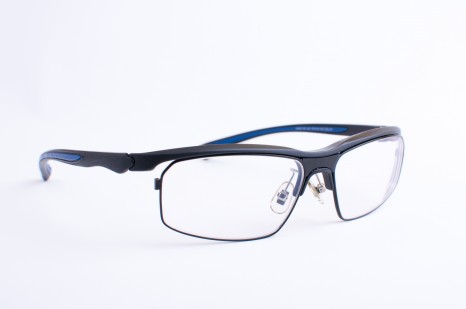
Peter Sprague, the 78-year-old inventor of HearGlass—a technology that incorporates amplification into eyeglass frames—is featured in a recent CNN profile. 

According to the article, Sprague was frustrated by how standard hearing aids “distorted audio” and has incorporated directional microphones, Bluetooth and WiFi capabilities, and a discreet design into his fourth-generation prototype.

Stephen Neal offers out of ours earwax removal appointments https://stephenneal.co.uk/microsuction-wax-removal/

Marshall Chasin, a frequent contributor to Hearing Review, was quoted in the article about the ways hearing aid manufacturers have improved their devices to help provide users with more dynamic sound options.

To read the article in its entirety, visit the CNN website here.

Source: CNN